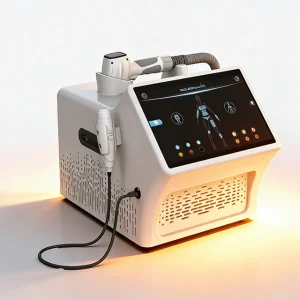
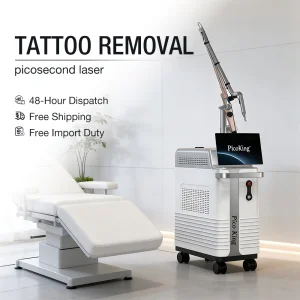
Explore our smart energy platforms designed with skin tone sensing hardware, multi-wavelength diode matrices, and advanced non-ablative optical engines.
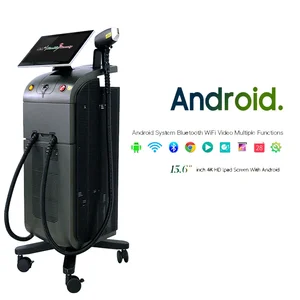
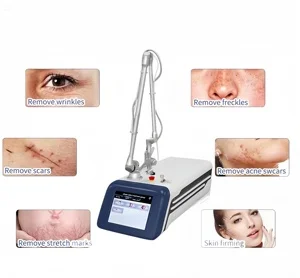
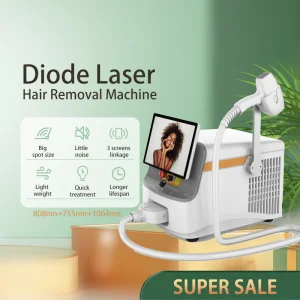
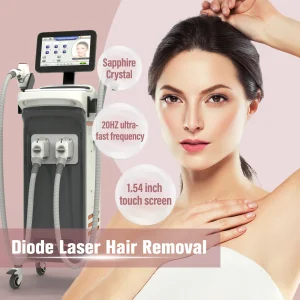
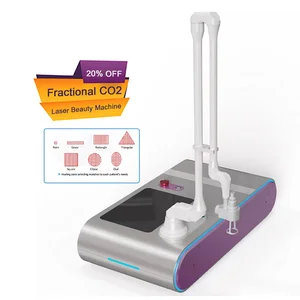
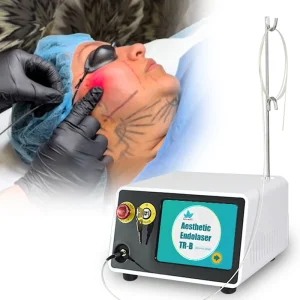
Historically, aesthetic medical lasers faced systemic limitations when operating across diverse patient demographics. The physics of laser epilation and skin resurfacing relies on selective photothermolysis, targeting specific chromophores such as melanin, water, and hemoglobin. However, early generation laser platforms lacked the ability to dynamically adjust optical parameters based on real-time epidermal melanin density. This created a high risk of adverse events (erythema, burns, and post-inflammatory hyperpigmentation) in patients with Fitzpatrick skin types IV, V, and VI, while minimizing efficacy in low-melanin skin types.
Modern aesthetic standards demand universal inclusivity. This necessity has driven the shift toward skin tone adaptive laser systems. These medical-grade devices integrate optical sensors and real-time algorithmic adjustments to measure the skin's melanin index (M-Index) dynamically. The system automatically recalculates pulse width, energy density (fluence), and cooling intervals. By dividing a single high-energy pulse into sub-pulses with precise thermal relaxation delays, modern systems safely target deep-lying structures like hair follicles or dermal pigmentation without overheating the epidermis.
Real-time optical absorption feedback quantifies Fitzpatrick scale variables, eliminating operator guesswork and preventing hyperpigmentation risks.
Splits optical discharge into customized sub-pulses, balancing the thermal relaxation times of the epidermis versus the targeted hair follicle matrix.
Simultaneously delivers 755nm, 808nm, 940nm, and 1064nm wavelengths in a single pulse, optimizing depth target profiles for safe and efficient clearance.
The integration of AI diagnostics in laser delivery handles changes in local skin color caused by sun exposure, hormonal hyperpigmentation, or ethnic variations. By linking live reflectance sensors to high-frequency microcontrollers, these platforms adjust laser parameters within milliseconds before every pulse. For example, a system can automatically shift from a high-absorption 755nm Alexandrite output to a deep-penetrating, melanin-sparing 1064nm Nd:YAG emission when transitioning across sensitive treatment zones.
B2B buyers, medical distributors, and clinic chains evaluate aesthetic devices on two primary metrics: treatment safety (minimizing liability) and operational throughput (maximizing ROI). Devices that can only treat Fitzpatrick types I-III restrict a clinic's client pool. Conversely, manual multi-device setups require high capital expenditure, extensive training, and take up valuable clinic space.
Global medical-aesthetic supply chains are moving toward multi-wavelength, adaptive platforms. These systems feature integrated skin-type validation algorithms, reducing human error. This technological approach lowers the risk of user errors during treatment, reducing clinic liability, insurance claims, and negative patient reviews. By enabling high patient throughput without downtime, these systems protect the capital investment of medspas and dermatological clinics globally.
Furthermore, global regulatory environments (such as the transition from MDD to MDR in Europe and strict FDA clearance paths in North America) demand high manufacturing traceability. A secure supply chain must guarantee certified electromagnetic compatibility, bio-compatible handpiece plastics, and stable optical energy output. Our advanced manufacturing ensures that energy outputs remain consistent throughout the laser diode's lifespan, preventing the energy drops that lead to poor treatment results.
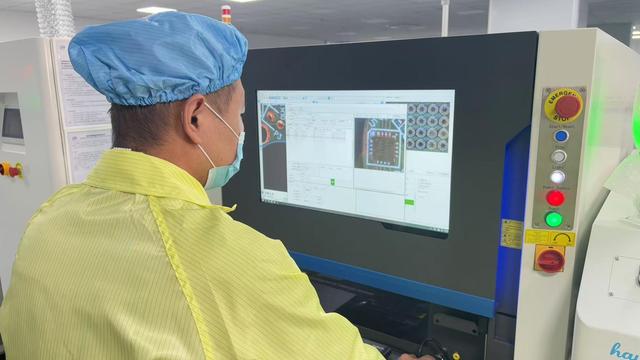
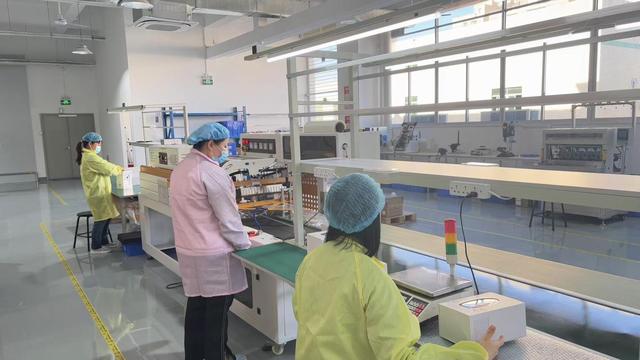
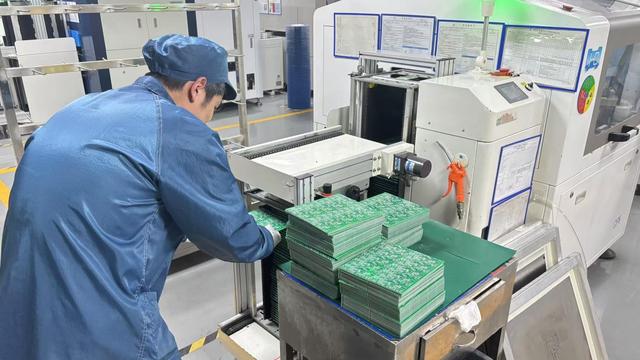
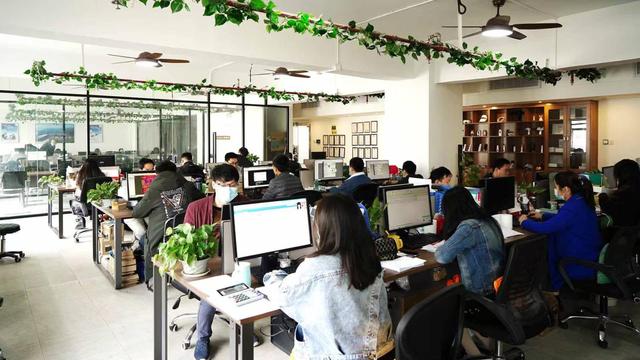
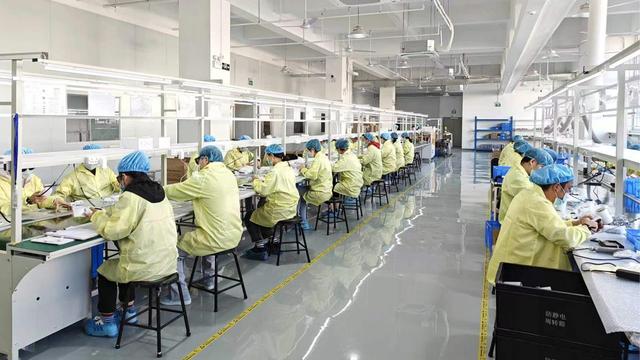
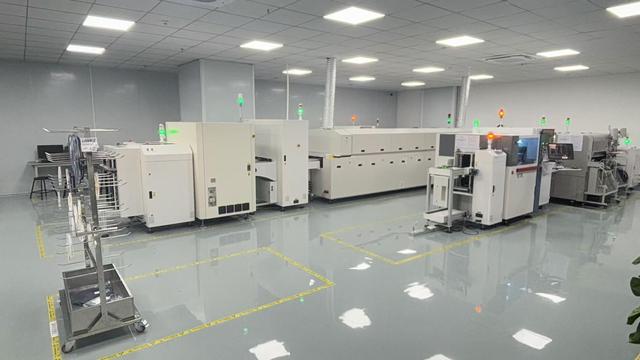
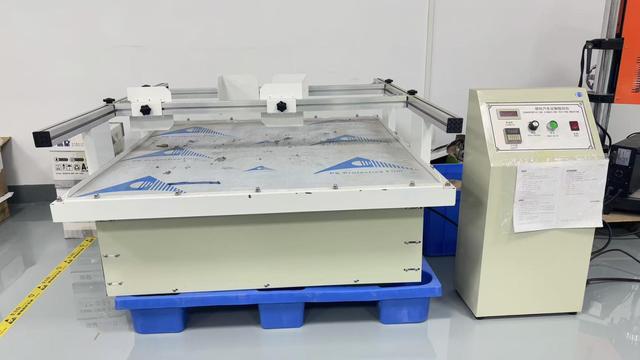
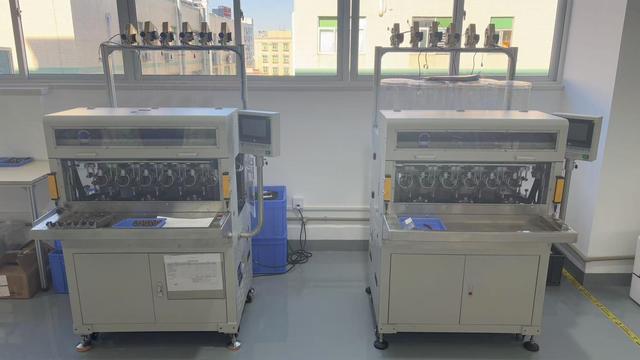
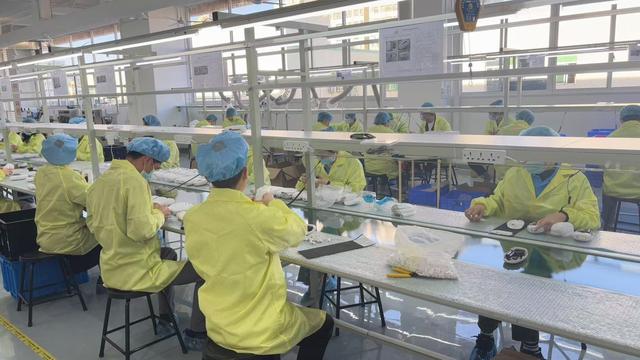
At our manufacturing headquarters in Hangzhou, China, Hangzhou Vutii Beauty Co., Ltd. has established a modern aesthetic device manufacturing facility. Operating a production space of approximately 25,000 square meters, we align our operations with Industry 4.0 principles. This integration covers precision optoelectronic assembly, cleanroom laser bar mounting, and automated calibration.
A resilient supply chain depends on localized technical capabilities. With a dedicated team of over 15 optical engineers and medical aesthetics R&D specialists, we design our optical pathways, control boards, and cooling systems in-house. We source high-grade components locally and globally—including German-engineered laser diode bars and high-efficiency Peltier cooling modules (TEC)—to ensure our systems perform reliably under high-volume clinical demands.
Our quality control protocol is structured for high reliability:
This production scale allows us to offer comprehensive OEM/ODM customization services. We support partners with custom chassis styling, custom graphical user interfaces (GUI), specific multi-wavelength arrays, and localized software configurations. This helps medical distributors establish a distinct brand presence in their regional markets.
Hangzhou Vutii Beauty Co., Ltd. is a specialized Laser Hair Removal Manufacturer focusing on medical-grade aesthetic laser systems and advanced IPL & diode laser technology solutions for global beauty clinics, distributors, and OEM/ODM partners. Driven by innovation, safety, and performance, the company delivers reliable hair removal and skincare equipment for the global aesthetic industry.
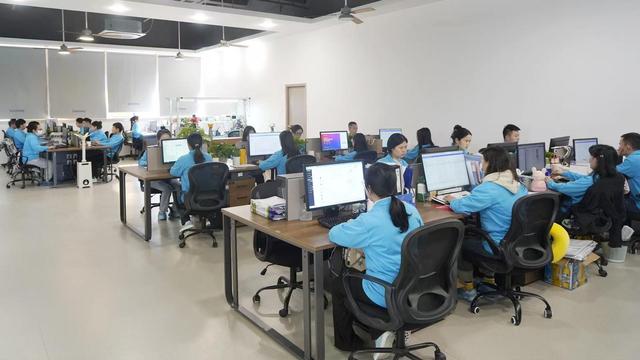
We operate with modern manufacturing standards and a production facility of approximately 25,000 square meters. The site houses precision assembly lines, laser calibration laboratories, and strict quality inspection systems. Our team of 220 staff members, including 15+ optical engineers and medical aesthetics R&D specialists, ensures continuous product innovation and technological advancement.
Vutii Beauty exports to Europe, North America, the Middle East, and Southeast Asia. Today, we are positioned as a trusted global partner in the aesthetic laser industry, providing advanced solutions for permanent hair reduction and professional beauty treatments.
Skin physiology and aesthetic goals vary significantly by region. Modern laser systems must adapt to these localized clinical realities:
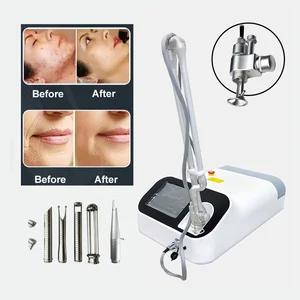
Explore our specialized laser systems, including multi-wavelength hair removal units, fractional CO2 skin resurfacing systems, and cold laser therapeutic devices.
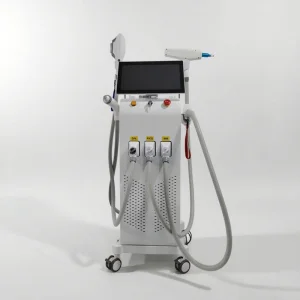
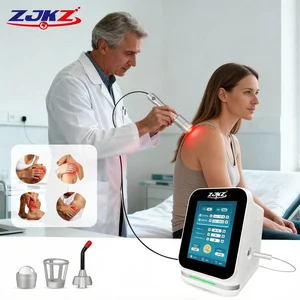
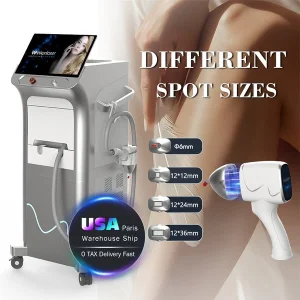
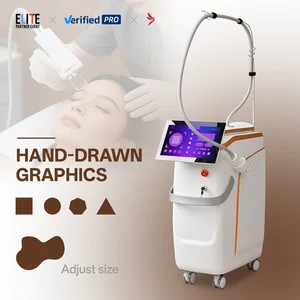
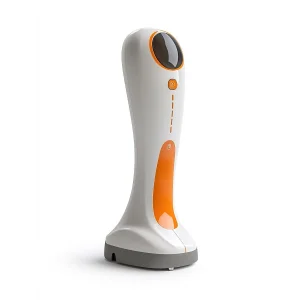
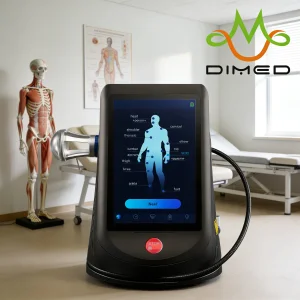
Our adaptive systems use multispectral optical sensors built into the handpiece. By projecting specific wavelengths of light onto the skin's surface and reading the reflected light index, the system measures the absorption profile of epidermal melanin. This quantitative data determines the patient's melanin index, allowing the system to adjust fluence and pulse width parameters to ensure safe treatment across Fitzpatrick types I-VI.
Combining these wavelengths helps balance safety and efficacy. The 755nm wavelength targets melanin effectively, making it ideal for lighter skin tones. The 808nm is the industry standard for hair removal. The 940nm wavelength targets hemoglobin to cut off blood supply to the hair follicle, while the 1064nm Nd:YAG wavelength has lower melanin absorption, ensuring safer treatment depths for darker Fitzpatrick V-VI skin types.
We use active Thermoelectric Cooling (TEC) sapphire contact plates combined with high-flow internal water circulation systems. This maintains a steady tip temperature of -5°C to 0°C on the skin surface. By pre-cooling the epidermis, the laser energy can target deep follicles safely without causing surface heat damage.
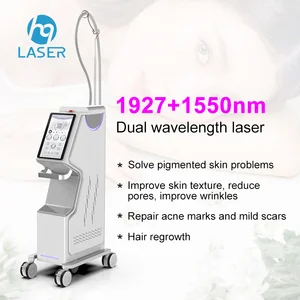
The 1927nm Thulium laser is a sub-ablative system targeting the epidermal-dermal junction, making it highly effective for superficial pigmentation and melasma. The 10600nm CO2 laser is an ablative system that targets water to create columns of thermal damage in the deep dermis, designed to treat deep acne scars and support skin resurfacing.
Our OEM/ODM services include custom hardware housing, integrated software interfaces, multi-wavelength configuration options (single, triple, or quadruple diode arrays), customized laser handpiece styles, and tailored packaging to help distributors establish a unique brand presence.
We source premium gold-solder laser diode bars and use precise optical alignment systems in our cleanroom facilities. Every handpiece undergoes a 72-hour burn-in and energy output verification test to ensure consistent energy delivery over millions of pulses.
Our manufacturing facility operates under the ISO 13485 medical device quality management system. Our products are designed to meet CE Medical Device Regulations (MDR), FDA regulatory standards, and electrical safety certifications (IEC 60601-1) for medical aesthetic equipment.
The combination of 980nm and 1470nm wavelengths targets both water and fat cells, making it suitable for minimally invasive endo-tissue lifting. It delivers thermal energy directly to the deep dermal layers to promote skin tightening, fat reduction, and collagen remodeling.
 Vutii Beauty