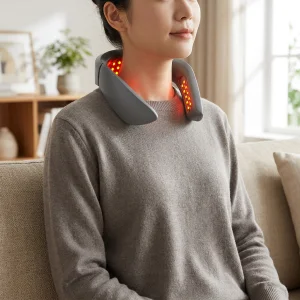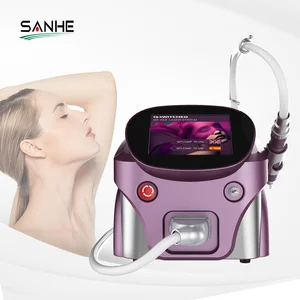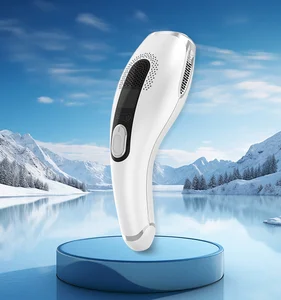
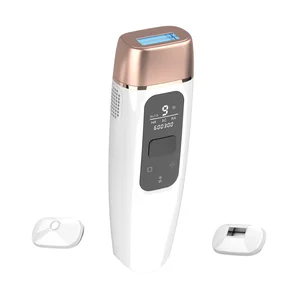
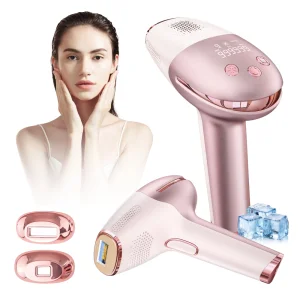
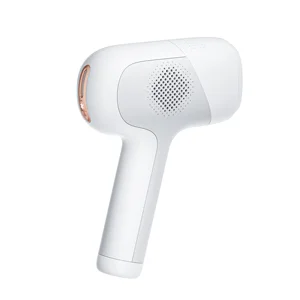
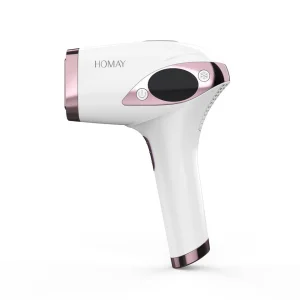
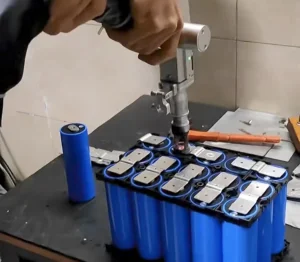
The global market for portable handheld laser devices has transitioned from niche application structures to mainstream industrial and aesthetic adoption. Initially confined to rigid laboratory setups due to thermal dissipation constraints and bulky optical requirements, developments in high-density laser diodes, compact fiber lasers, and advanced power management modules have unlocked significant portability. Today, these systems serve multiple sectors: medical dermatology, home aesthetics, materials processing, metrology, and high-performance instrumentation.
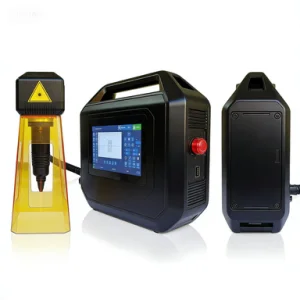
In the industrial domain, handheld fiber lasers have disrupted traditional operations. The demand for 1500W battery-powered laser welders and portable fiber marking systems highlights a shift towards dynamic, in-situ production. Rather than transporting heavy components (such as prismatic battery cells or heavy structural steel) to a stationary laser enclosure, technicians bring calibrated handheld laser heads directly to the workpiece. This reduction in logistics overhead has proven critical for aerospace fabrication, automotive assembly lines, and battery manufacturing hubs worldwide.
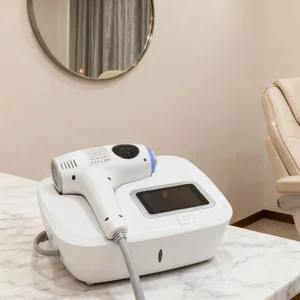
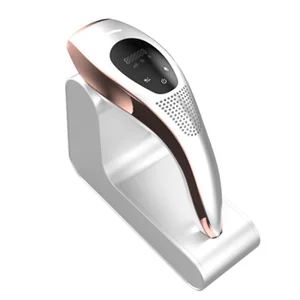
Concurrently, the aesthetic sector is experiencing a decentralized transformation. The line between clinical dermatology systems and consumer appliances is narrowing. Modern consumers and clinical practitioners expect solutions that offer clinical efficacy combined with ergonomic mobility. This has accelerated the commercial success of home-use IPL (Intense Pulsed Light) platforms and diode laser arrays equipped with sapphire active cooling. By adopting technologies like Integrated Insulated Gate Bipolar Transistor (IGBT) configurations, manufacturers can deliver microsecond pulsed energies comparable to clinical towers within compact, handheld devices.
To capture sustainable SEO positioning and establish authority (E-E-A-T), it is vital to analyze the exact physical mechanics driving product lines. Portable aesthetic lasers have evolved beyond basic monochromatic emission. The current state-of-the-art architectures integrate tri-wavelength or quad-wavelength configurations, specifically targeted at melanin and hemoglobin absorption spectrum profiles.
Optimized for light-colored skin types and fine hair follicles. Maximizes absorption in the melanin chromophore, making it highly effective for superficial hair removal applications.
The standard reference wavelength for clinical diode laser systems. Balances penetration depth with high energy absorption, suitable for medium skin tones and common hair textures.
Characterized by lower melanin absorption and deeper dermal penetration. The safest wavelength profile for darker skin types, avoiding epidermal thermal injury by targeting the follicle bulb directly.
High energy densities within portable form factors generate localized heat. Without active thermal control, the risk of epidermal damage increases. Hangzhou Vutii Beauty Co., Ltd. addresses this challenge through integrated Sapphire Ice-Cooling Technology. By placing a water-cooled sapphire window in direct contact with the epidermis, the skin surface temperature is maintained between 0°C and 5°C, even during high-fluence outputs. This enables the administration of higher energy densities (measured in J/cm²) without compromising patient comfort or safety.
In older generation IPL and portable lasers, energy discharge was governed by capacitor release curves, leading to a long decay time that heated the surrounding tissue without contributing to target photothermolysis. Modern devices utilize IGBT (Insulated Gate Bipolar Transistor) technology. This system allows the drive circuitry to turn on and off in microseconds, creating square-wave pulses. This precise control delivers optimal energy within the thermal relaxation time of the target tissue, preventing peripheral thermal damage.
Understanding user intent requires analyzing how geographic regions utilize handheld laser platforms. B2B buyers in North America, Europe, and Asia-Pacific display distinct procurement behaviors driven by local regulatory and commercial environments.
Primary Drivers: FDA cleared solutions, home-use medical aesthetics, and high-power industrial marking. Buyers prioritize warranty lengths, clinical validation data, and localized support channels. The trend toward mobile med-spas has fueled demand for portable multi-functional platforms.
Primary Drivers: CE Medical Device Regulation (MDR) compliance, environmental and safety certifications, and premium build quality. EU clinics focus on ergonomic designs that reduce operator fatigue, alongside precise energy calibration logs to meet strict liability frameworks.
Primary Drivers: Rapidly expanding aesthetic treatment centers and localized industrial clusters. B2B importers look for customizable private label OEM solutions, competitive pricing, and flexible system configurations. Devices that support multiple skin types (Fitzpatrick I-VI) are highly valued.
Primary Drivers: Mobile maintenance operations and in-field component marking. Fiber laser systems with dustproof casing and long battery runtimes are essential. Reliability under harsh environmental conditions is key for oil & gas, marine, and construction sectors.
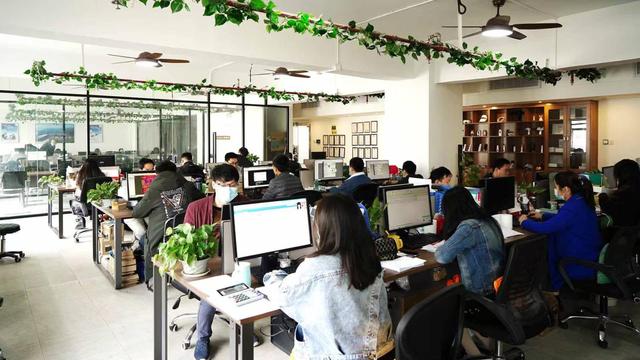
Hangzhou Vutii Beauty Co., Ltd. is a professional Laser Hair Removal Manufacturer specializing in medical-grade aesthetic laser systems and advanced IPL & diode laser technology solutions for global beauty clinics, distributors, and OEM/ODM partners. With a strong focus on innovation, safety, and performance, the company is committed to delivering effective and reliable hair removal and skin care equipment for the global aesthetic industry.
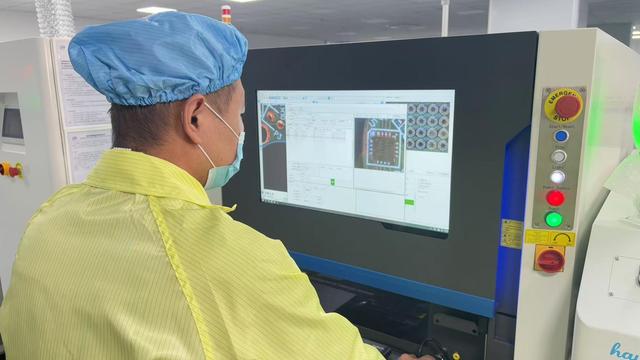
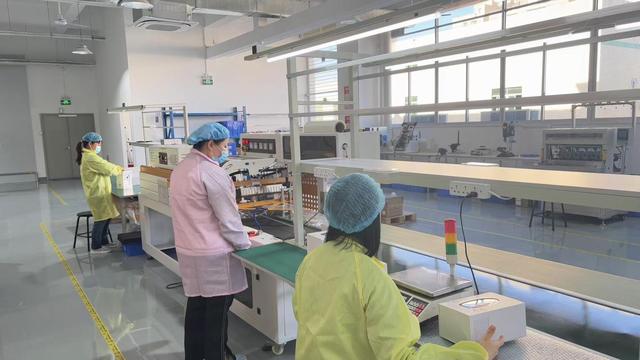
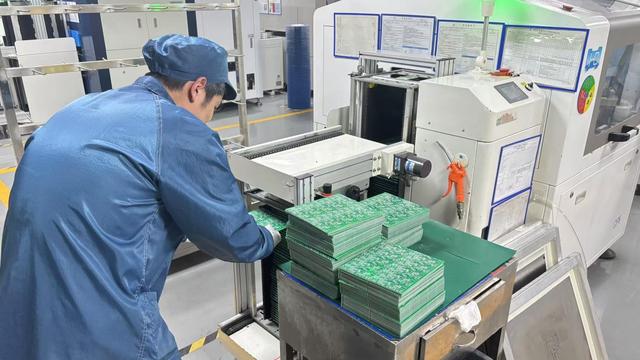
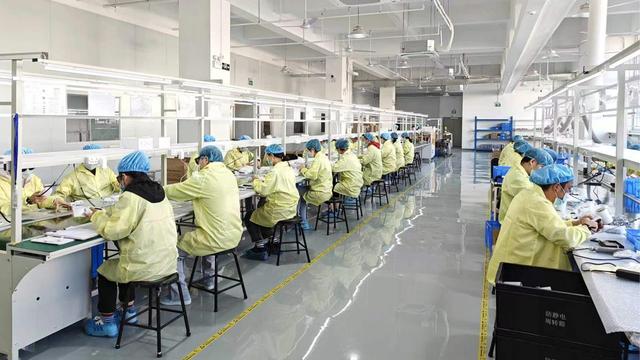
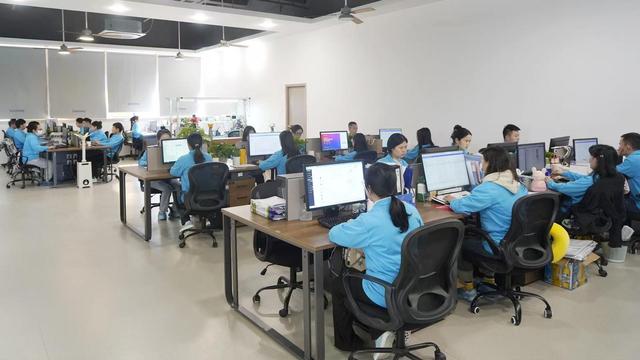
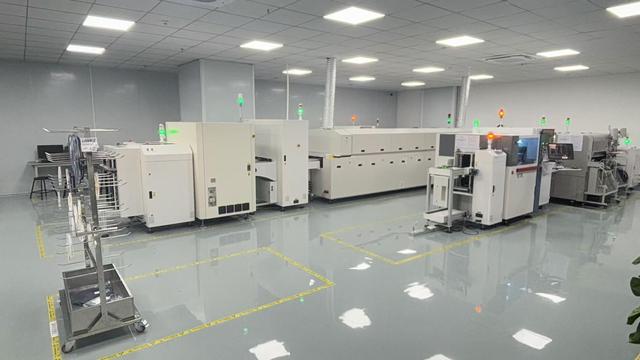
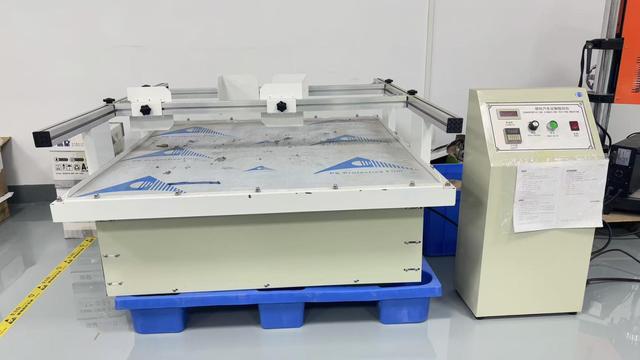
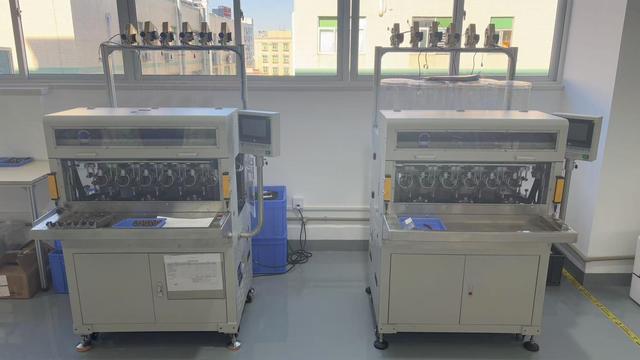
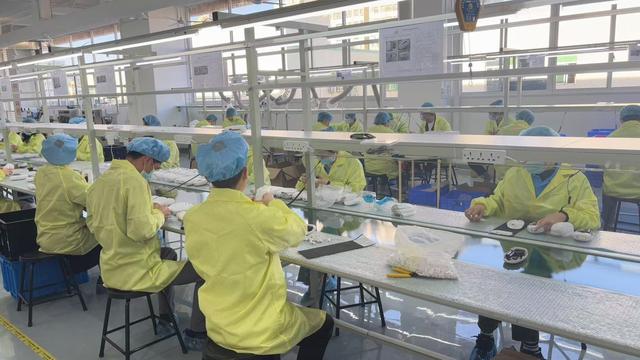
Established with modern manufacturing standards, Vutii Beauty operates a production facility of approximately 25,000 square meters, equipped with precision assembly lines, laser calibration laboratories, and strict quality inspection systems. The company employs around 220 staff members, including 15+ optical engineers and medical aesthetics R&D specialists, ensuring continuous product innovation and technological advancement.
The product portfolio includes diode laser hair removal systems, IPL aesthetic platforms, multi-wavelength laser machines, portable aesthetic devices, and professional-grade salon equipment. All systems are designed to provide efficient hair reduction, improved skin compatibility, and enhanced user safety with advanced cooling and energy control technologies.
As an experienced OEM/ODM supplier, Hangzhou Vutii Beauty Co., Ltd. offers full customization services, including hardware design, software interface development, branding, private label packaging, and clinical parameter optimization. The company follows strict international quality standards and continuously upgrades its production process to meet global medical aesthetic requirements.
With exports to Europe, North America, the Middle East, and Southeast Asia, Vutii Beauty has built a strong reputation for stable product quality, innovative design, and responsive customer service. Today, Hangzhou Vutii Beauty Co., Ltd. is positioned as a trusted global partner in the aesthetic laser industry, providing advanced solutions for permanent hair reduction and professional beauty treatments.
Expanding global market share requires customizable architectures that match regional clinical protocols. Our OEM/ODM framework is built around key technological pillars:
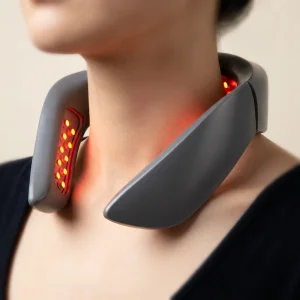
Clients can customize the laser engine based on local demographic trends. Our engineers optimize the beam profile, target spot sizes (e.g., 10x10mm to 12x20mm), and handpiece aesthetics. For cold laser therapy and LLLT (Low-Level Laser Therapy), we integrate exact diode arrays (combining 650nm, 808nm, and 980nm wavelengths) to match clinical research guidelines for musculoskeletal pain relief.
A user-friendly human-machine interface (HMI) reduces learning curves and ensures patient safety. Our software team designs custom graphic interfaces, translates operating menus into target languages, and programs clinical presets based on Fitzpatrick skin type matrices. Systems can also integrate RFID card access controls and treatment logging features for commercial clinics.
Different markets have varying electrical standards (e.g., 110V/60Hz in North America, 220V/50Hz in Europe). We design universal power delivery architectures that protect internal optical components from voltage fluctuations. Integrating IGBT controls ensures energy stability during high-frequency firing modes.
 Vutii Beauty