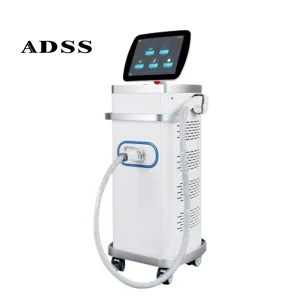
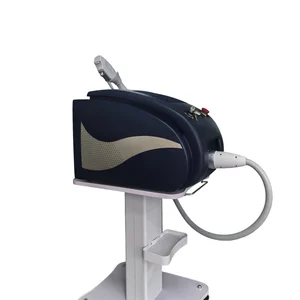
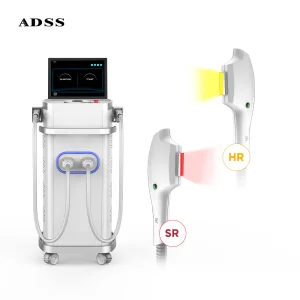
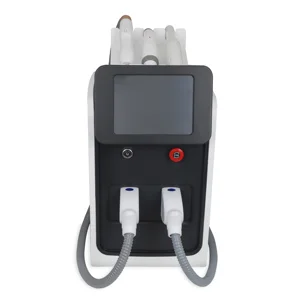
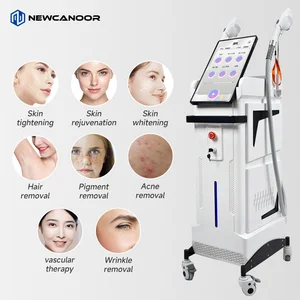
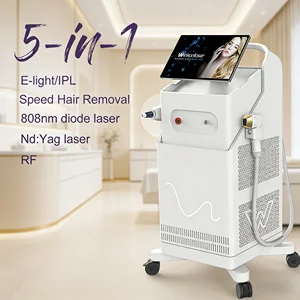
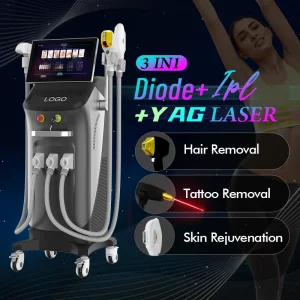
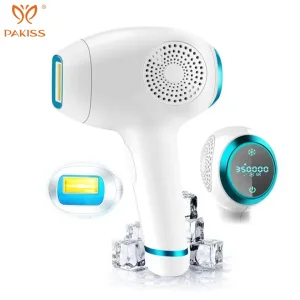
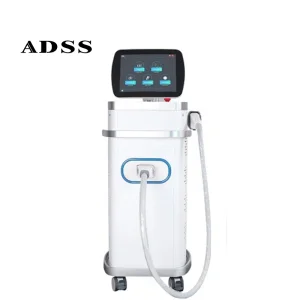
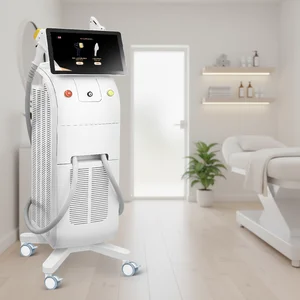
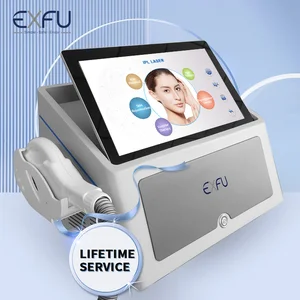
Premium selective photothermolysis machines optimized for deep melanin safety, humidity resistance, and high-frequency operation.
The global medical aesthetic industry relies heavily on two light-based technologies for hair reduction and skin rejuvenation: Coherent Single-Wavelength Lasers (specifically Diode 808nm, Alexandrite 755nm, and Nd:YAG 1064nm) and Intense Pulsed Light (IPL) systems. Both operate under the clinical principle of selective photothermolysis, targeting melanin within the hair follicle to induce thermal damage while sparing surrounding tissues.
However, the technological implementation differs vastly. Laser hair reduction systems emit monochromatic, coherent, and collimated light. This allows for deep penetration directly to the hair bulb, making it highly efficient and safe for specific skin phototypes. In contrast, IPL systems output a broad spectrum of non-coherent polychromatic light (typically 500nm to 1200nm) that is filtered to target various chromophores. IPL is highly versatile, addressing hair removal, pigmentation, and vascular lesions within a single platform.
| Clinical Parameter | Diode Laser Systems | IPL / SHR / DPL Platforms |
|---|---|---|
| Wavelength | Monochromatic (e.g., 808nm, 755nm, 1064nm) | Polychromatic (500nm - 1200nm spectrum) |
| Coherency | Highly Coherent & Collimated (focused beam) | Non-Coherent & Divergent (scattered light) |
| Target Depth | Deep penetration (ideal for dermis-level bulbs) | Shallow-to-Medium (epidermal/dermal boundary) |
| Fitzpatrick Safety | High (especially Nd:YAG 1064nm for dark skin) | Requires caution on dark skin (Types IV-VI) |
| Cooling Integration | Advanced sapphire contact & TEC refrigeration | Air-cooled, Peltier, or basic contact cooling |
Operating a medical spa, clinic, or beauty salon in Kiribati (including South Tarawa, Betio, and Kiritimati) presents unique operational challenges that are rarely encountered in continental markets. Importers must consider the following factors when selecting between IPL and Laser systems:
For spas and health centers in Kiribati, we strongly advise procuring systems with active cooling (TEC / Compressor) to maintain optimal cavity temperature. High ambient temperatures (frequently exceeding 30°C in Tarawa) will cause standard air-cooled systems to overheat, leading to automated shutdowns and interrupted clinic booking schedules.
Combining tattoo removal, vascular lesion therapy, and multi-wavelength laser technology into powerful, cost-efficient platforms.
The global market for medical aesthetic lasers is expanding rapidly. Clinicians are shifting from traditional, painful treatments toward fast, comfortable, and smart clinical platforms. However, European and North American distributors face high price markups due to multiple distribution layers. Direct manufacturing collaboration bypasses these markups, allowing clinics to invest in high-performance equipment with maximum ROI.
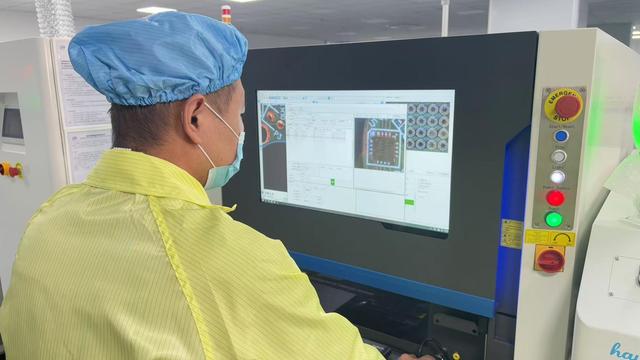
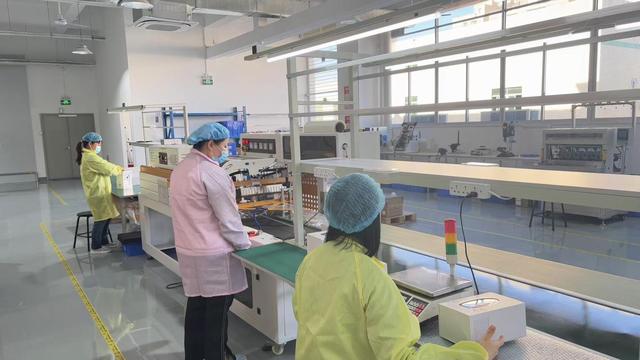
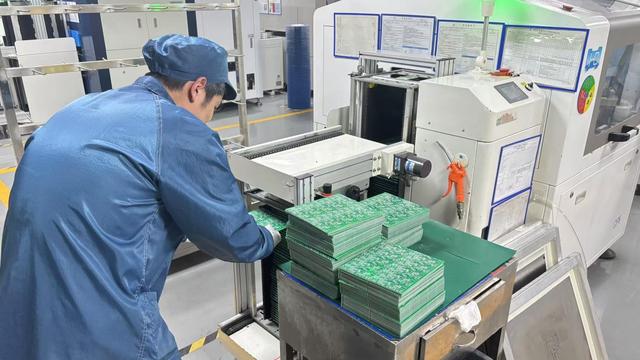
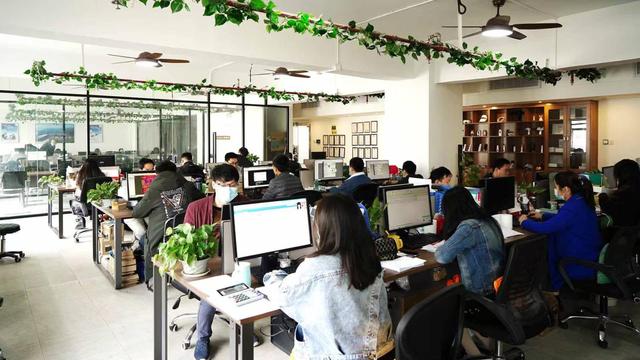
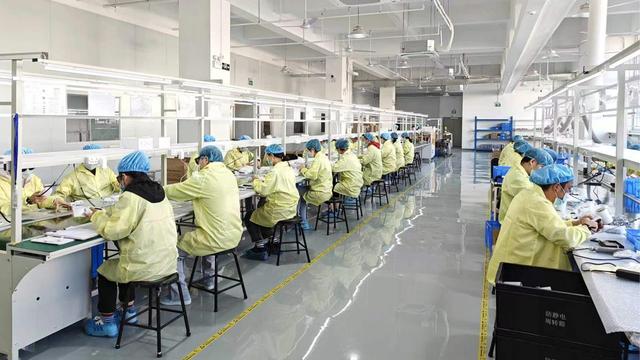
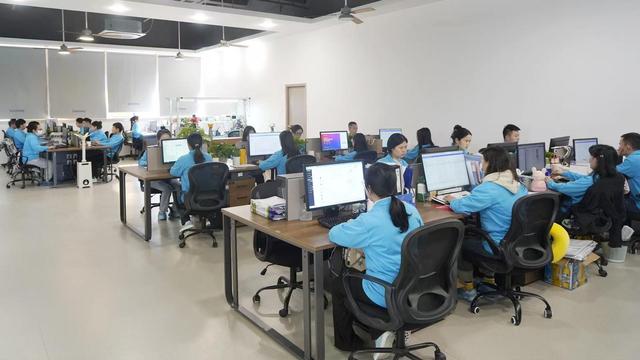
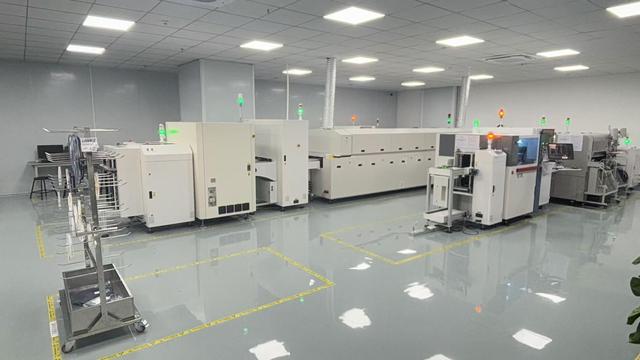
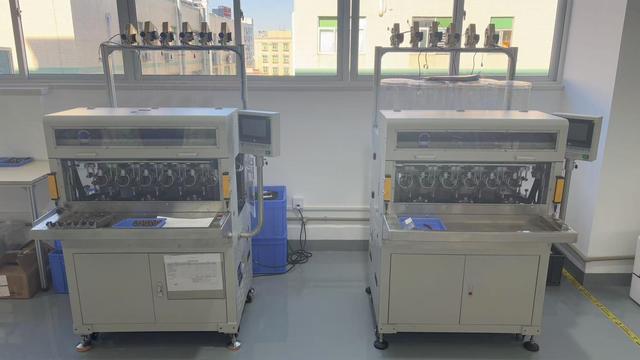
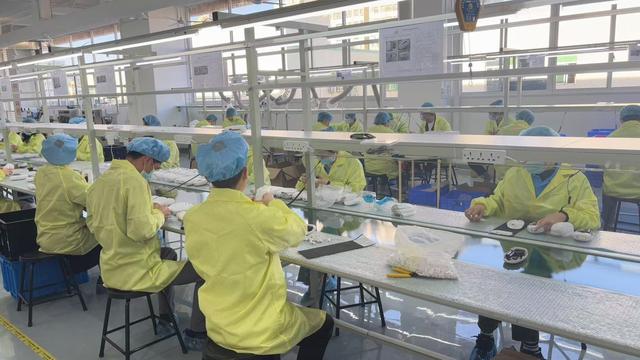
This is where Hangzhou Vutii Beauty Co., Ltd. offers global business partners an exceptional manufacturing advantage. Operating out of a state-of-the-art 25,000 square meter production facility, Vutii Beauty controls every step of the development cycle. With a dedicated team of over 220 staff members—including more than 15 optical engineers and medical aesthetics R&D specialists—the factory produces medical-grade devices that are built to last.
We provide full-spectrum OEM and ODM services. This enables global distributors and franchises to customize machines to match their brand identity. Our engineers customize hardware designs, reprogram software interfaces, fine-tune clinical parameters, and design private label packaging to fit your specific market requirements.
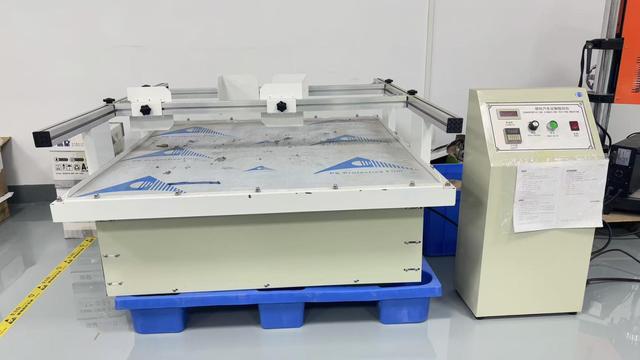
Our ISO-certified manufacturing process ensures every machine undergoes rigorous tests. We run optical spectrum analysis, energy stability checks, and high-temperature stress tests before shipment. This ensures reliable operation even in humid, warm coastal environments like those in Kiribati.
Tour our production facilities, cleanroom assembly lines, and quality control labs. See how our technicians manufacture medical-grade aesthetic equipment.
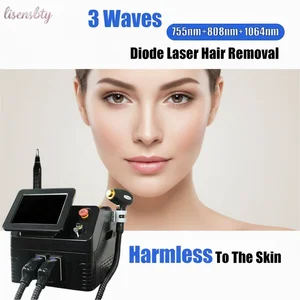
Modern developers are focusing on multi-wavelength combinations and smart controls. The industry is moving away from single-wavelength diodes. New systems blend 755nm, 808nm, and 1064nm wavelengths in a single handpiece. This allows clinics to treat different hair depths and skin colors with one device.
Furthermore, DPL (Dynamic Pulsed Light) and BBL (BroadBand Light) technologies have upgraded standard IPL. By using narrow-spectrum light pulses at high repetition rates, these devices perform skin rejuvenation and hair removal with less discomfort and lower risks of epidermal damage. For remote markets such as Kiribati, investing in these multi-functional machines provides maximum versatility and higher utility per square foot of clinic space.
Whether you run an established distribution network in Europe or open a specialized salon in South Tarawa, we can build the configuration you need.
Send Inquiry NowDirect answers to questions regarding import logistics, technical setup, skin safety, and factory warranties.
Explore our complete range of certified aesthetic machines, including portable devices and heavy-duty clinical systems.
 Vutii Beauty