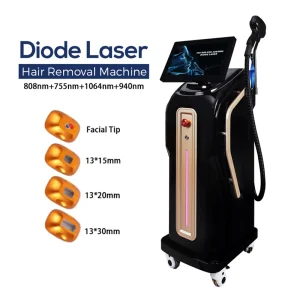
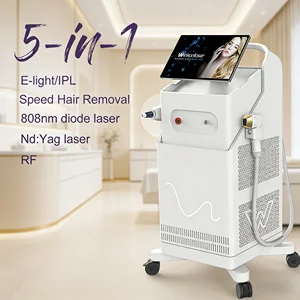
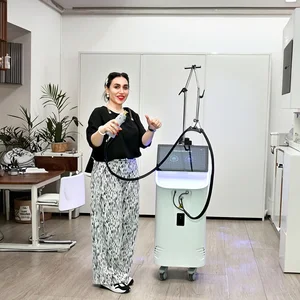
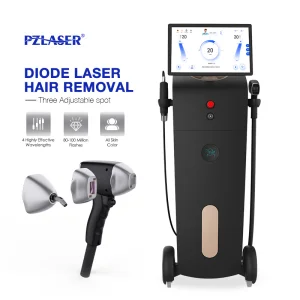
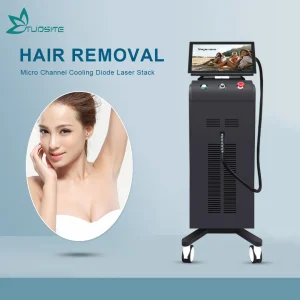
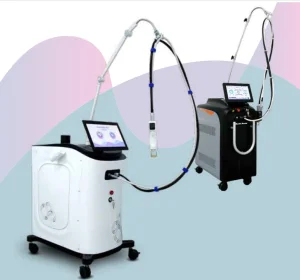
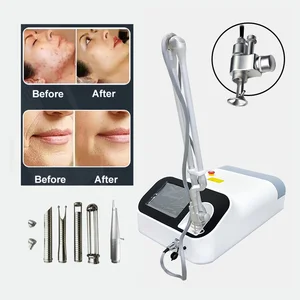
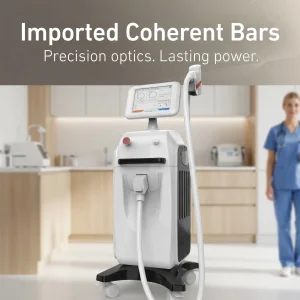
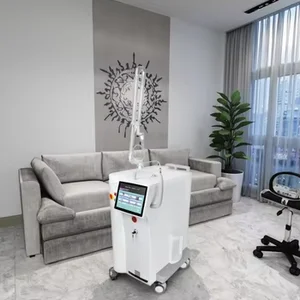
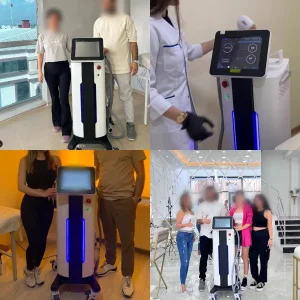
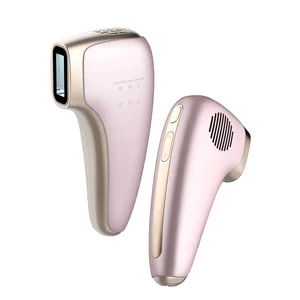
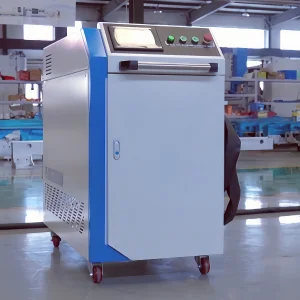
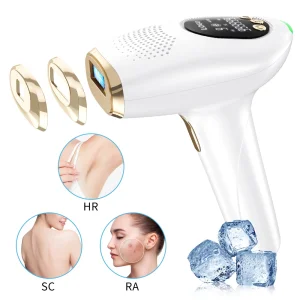
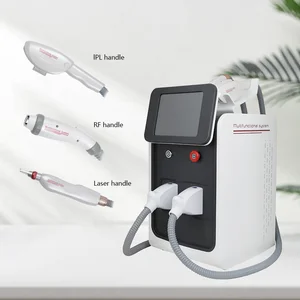
Explore our flagship configurations engineered for high efficacy, patient comfort, and continuous clinical performance.
The global demand for non-invasive aesthetic treatments has undergone a tectonic shift over the past decade. Clinicians and salon practitioners are moving away from traditional, highly painful, and slow photothermal systems toward high-throughput, painless, and versatile platforms. Non-invasive hair removal systems, particularly medical-grade 808nm diode lasers, Alexandrite (755nm) solid-state systems, and long-pulsed Nd:YAG (1064nm) systems, now form the financial cornerstone of modern medspas and aesthetic clinics worldwide.
SEO Insights & Market Growth Drivers:
Market intelligence indicates the global energy-based aesthetic devices market is projected to reach USD 4.8 billion by 2030, exhibiting a CAGR of over 9.5%. Driven by rising disposable income, advancements in cooling systems, and growing demographics seeking zero-downtime procedures, medical distributors face intense competition. Finding an exporter who balances FDA/CE compliance with flexible manufacturing systems is critical for commercial success.
To capture this market, providers require platforms that can handle continuous operational demands. The modern business model for clinical networks dictates that devices must operate for 10-12 hours daily without energy decay or cooling failures. This makes thermal stabilization systems and laser emitter longevity key factors when purchasing from exporters.
Maximizing ROI via high patient turnover, minimal treatment duration, and zero pain complaints. Requires medical-grade systems with certified clinical protocols.
Seeking reliable OEM/ODM channels with comprehensive spare parts, compliance documentation (MDR CE, FDA), and localized branding adaptability.
Looking for cloud-connected systems that allow remote monitoring, parameter lockouts, customer usage analytics, and seamless interface consistency.
One-size-fits-all aesthetic devices fail in the global market because skin phototypes, ambient operating conditions, and regulatory environments vary by region. Successful deployment of non-invasive hair removal technologies requires matching hardware configurations to local demographics:
In North America, the diverse patient population spans the entire Fitzpatrick scale (Types I through VI). High-volume clinics require combined wavelength systems—specifically 755nm, 808nm, and 1064nm—in a single applicator. The 755nm wavelength targets pale skin with fine hair, the 808nm serves as the universal standard, and the 1064nm Nd:YAG ensures safe treatments for darker skin by bypassing epidermal melanin. To run these systems, clinics require FDA 510(k) cleared hardware and fast cooling systems that minimize treatment times.
European medical spas operate under strict Medical Device Regulation (MDR CE) guidelines. Equipment must provide documented calibration metrics and safety protections, such as double-filter water purification and real-time electronic self-tests. Energy density (fluence) must remain precise to prevent skin burns. Additionally, quiet operation (low-decibel cooling pumps) and energy-efficient standby modes align with European regulatory requirements.
In hot climates like the Middle East, high ambient temperatures put stress on laser chillers. Without proper engineering, standard devices overheat, causing thermal shutdowns that disrupt clinic schedules. Operators in these markets require high-capacity, multi-fan radiator systems, dual Peltier cooling modules, and durable sapphire crystals that maintain sub-zero temperatures at the skin surface throughout consecutive treatments.
At Hangzhou Vutii Beauty Co., Ltd., our engineering team stays ahead of industry trends to ensure our platforms remain highly competitive. Below is the development roadmap guiding our current and next-generation hair removal devices:
The future of non-invasive hair removal lies in personalization and safety. AI-driven operating software is transitioning from manual, operator-dependent settings to automated, skin-type-calibrated parameters. By analyzing real-time acoustic and thermal feedback from the treatment handpiece, next-generation systems will deliver energy precisely to the hair follicle, protecting surrounding tissue and practically eliminating user error.
Our manufacturing and delivery systems are built on Hangzhou Vutii Beauty's robust, vertically integrated industrial framework. Our infrastructure is designed to deliver medical-grade reliability at competitive price points:
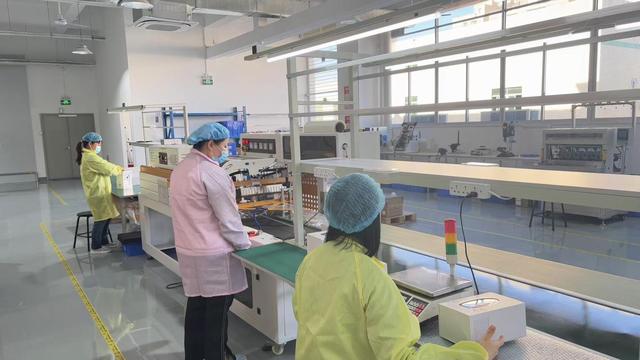
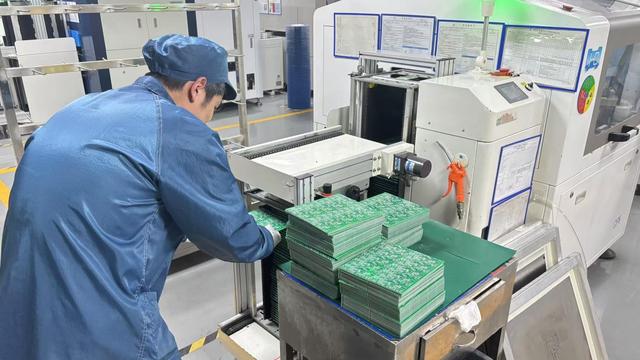
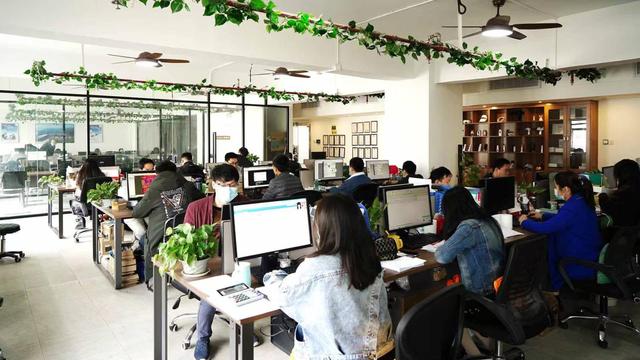
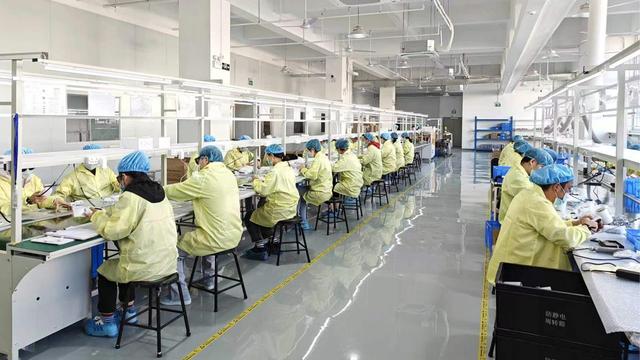
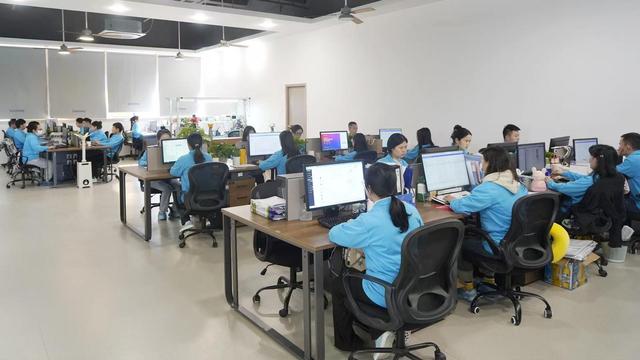
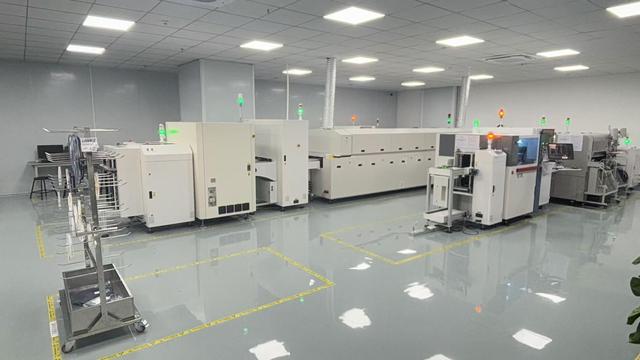
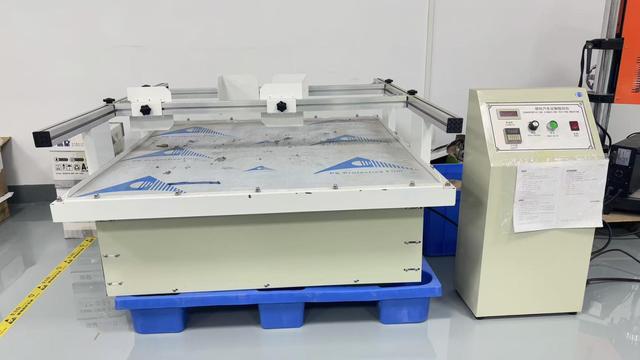
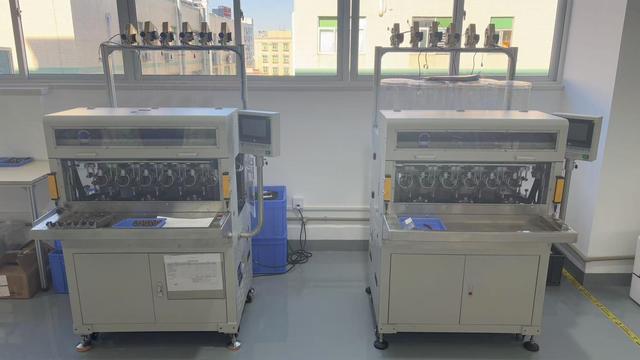
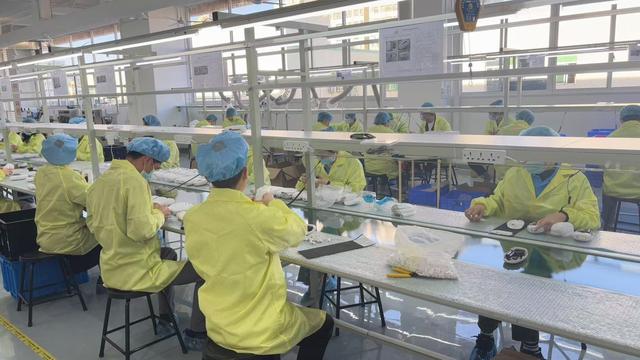
Hangzhou Vutii Beauty Co., Ltd. operates a modern manufacturing facility of approximately 25,000 square meters. The site includes precision assembly lines, laser calibration laboratories, and quality inspection zones. The company employs around 220 staff members, including a dedicated R&D team of 15+ optical engineers and medical aesthetics specialists focused on continuous product development.
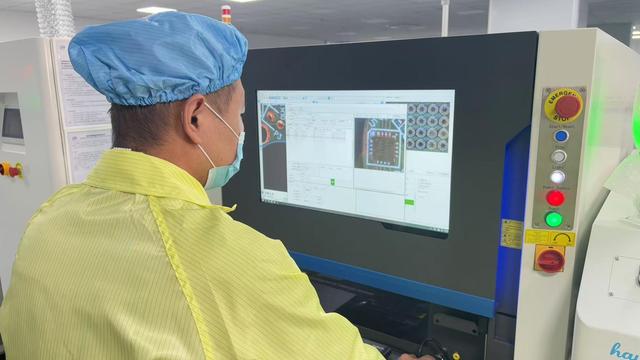
Exporting high-end medical aesthetic equipment requires robust regulatory compliance and post-sale technical support. We build long-term value for our partners through the following support programs:
Our platforms are designed to align with major regulatory frameworks, including European Medical CE (MDR), ISO 13485 Quality Management Systems, and RoHS compliance standards, facilitating smooth import clearance.
We provide comprehensive educational materials, clinical video guides, and direct channels to clinical experts, helping your technicians set parameters safely for various skin phototypes.
We maintain stock of key consumables—including optical filters, laser handpiece windows, water filters, and custom sub-assemblies—to minimize clinic downtime and expedite shipping.
Common clinical, technical, and importing questions answered by our engineering and logistics specialists.
Explore our additional line of professional-grade systems designed for diverse clinical treatments, skin rejuvenation, and tattoo removal.
 Vutii Beauty