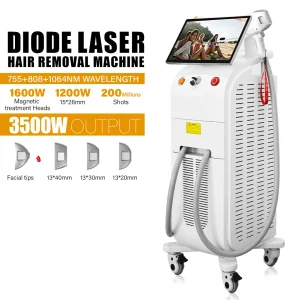
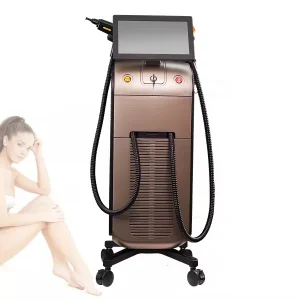
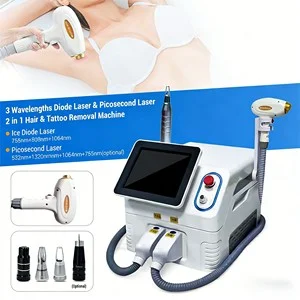
Explore our flagship selection of engineered diode lasers, multi-wavelength platforms, and state-of-the-art cooling aesthetic systems optimized for medical-grade efficacy.
An analysis of selective photothermolysis, multi-wavelength integration, and thermal management architectures in modern medical aesthetics.
The global clinical aesthetic landscape has witnessed a paradigm shift from traditional IPL (Intense Pulsed Light) platforms to highly targeted, narrow-band, multi-wavelength diode laser systems. At the center of this technological leap is the optimization of selective photothermolysis—matching a specific wavelength of light and pulse duration to obtain maximum effect on a targeted tissue (the hair follicle containing melanin) with minimal effect on the surrounding epidermis.
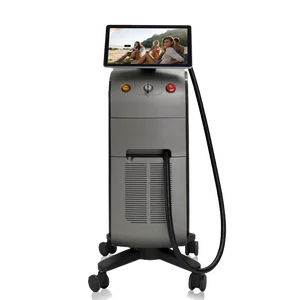
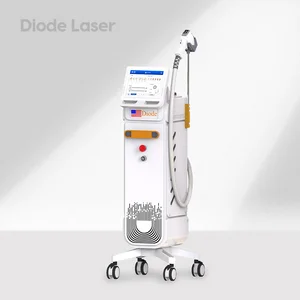
Modern clinical guidelines require medical equipment to adapt to diverse Fitzpatrick skin types (I–VI). Standard single-wavelength 808nm diode systems, while remaining the gold standard for coarse, dark hair, face structural limitations when treating darker skin types (due to competing epidermal melanin) or fine, lighter hair. Next-generation manufacturers address this by integrating triple-wavelength (755nm + 808nm + 1064nm) technology into a single laser stack, firing simultaneously to cover varying depths of hair follicles.
Combines 755nm (high melanin absorption for fine hair), 808nm (classic deep follicular penetration), and 1064nm (safe for dark skin tones with low melanin affinity) in a single matrix.
Incorporates TEC (Thermoelectric Cooling) active heat exchangers alongside sapphire contact crystal plates, maintaining structural epidermal cooling at 0°C to -4°C during high-fluence delivery.
Implements integrated photometric feedback loops that evaluate skin reflectance values in real-time, locking out dangerous fluences and adapting parameters dynamically.
A reference guide for clinical buyers, comparing spectral output, target structures, and skin-type suitability.
| Technology Platform | Spectral Wavelength | Primary Target Chromophore | Max Energy Fluence | Skin Type Suitability (Fitzpatrick) | Clinical Advantages |
|---|---|---|---|---|---|
| Alexandrite Laser | 755 nm | Melanin (High Absorption) | Up to 40 J/cm² | Type I - III (Light Skin) | Highly effective for thin, light-colored residual hair. |
| Standard Diode Laser | 808 nm / 810 nm | Melanin (Moderate Absorption) | Up to 120 J/cm² | Type I - VI (All Skin Types) | Balanced penetration depth and energy efficacy. Safe for long pulse settings. |
| Long-Pulsed Nd:YAG | 1064 nm | Oxyhemoglobin & Melanin (Low) | Up to 50 J/cm² | Type IV - VI (Darker Skin) | Deepest penetration, bypasses epidermal melanin, targets follicle vasculature. |
| Triple-Wavelength Diode | 755 + 808 + 1064 nm | Simultaneous Target Matrix | Up to 100 J/cm² (Combined) | Type I - VI (Highly Adaptable) | Comprehensive follicular destruction across variable depths. Painless in-motion mode. |
| IPL with Sapphire | 500 - 1200 nm (Broadband) | Melanin, Hemoglobin, Water | Up to 25 J/cm² | Type I - IV (Skin Restrictive) | Versatile platform for photorejuvenation and vascular therapy alongside hair reduction. |
A high-tech manufacturer specializing in medical-grade aesthetic laser platforms, high-power diode configurations, and advanced IPL systems for global markets.
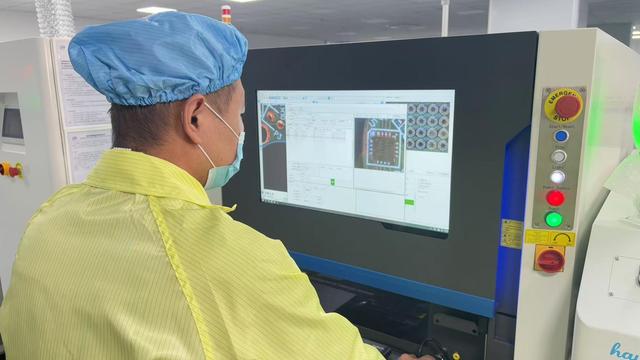
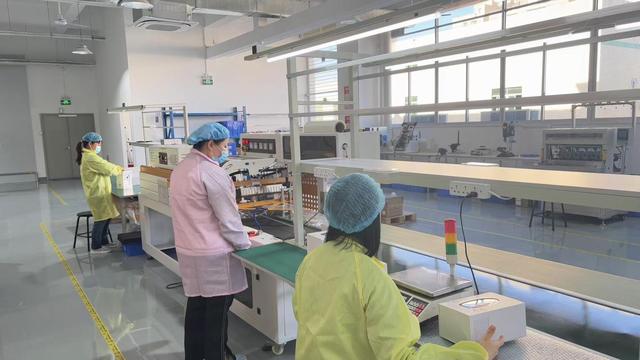
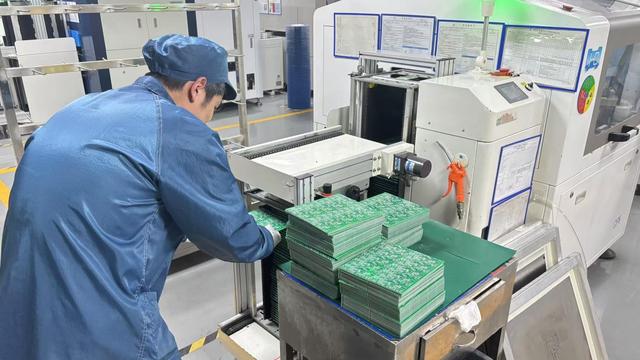
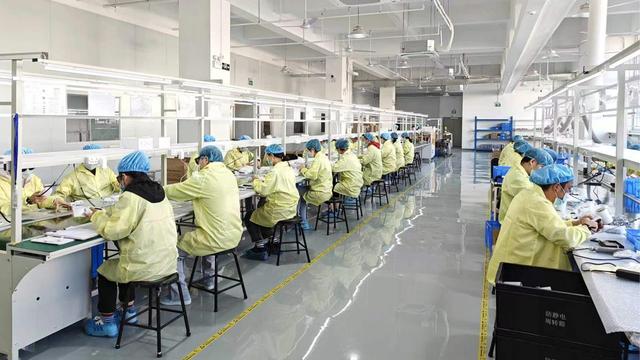
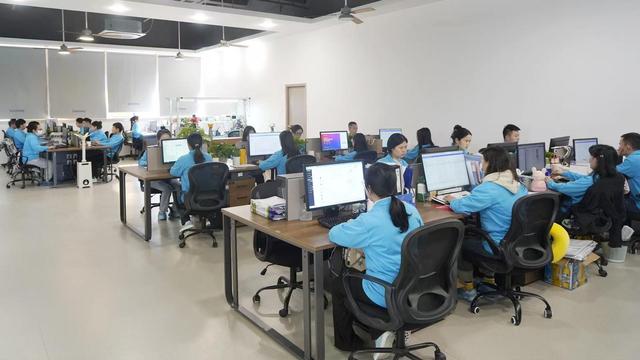
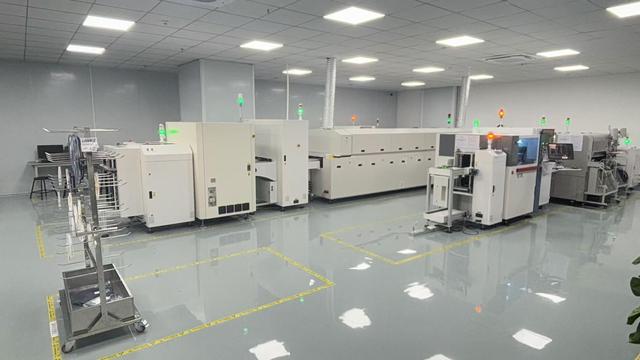
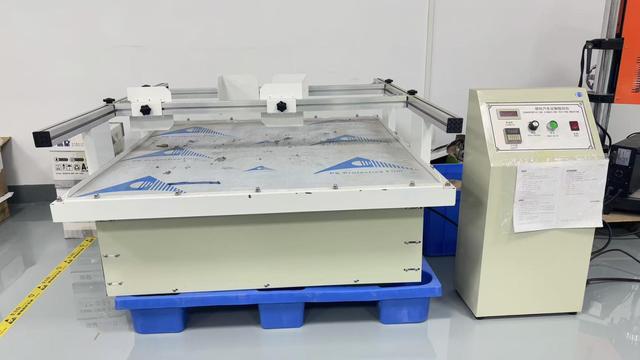
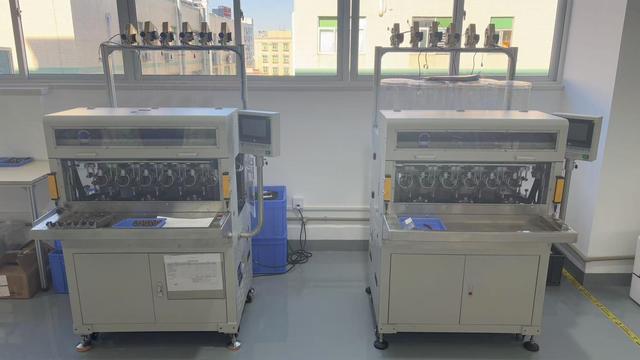
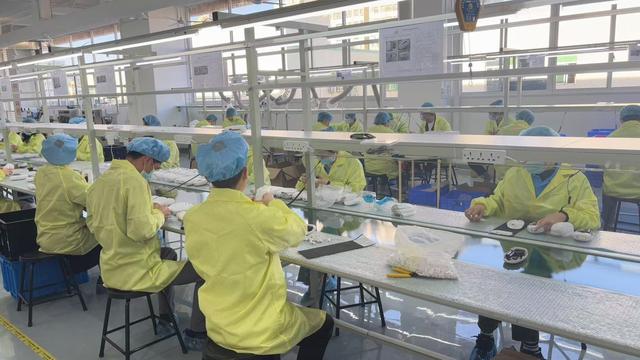
Operating a state-of-the-art 25,000 square meters factory plant in Hangzhou, Vutii Beauty has structured its production lines around precision optics alignment, cleanroom diode assembly, and robust thermal performance testing. By employing over 220 staff members and maintaining an active R&D division of 15+ dedicated optical and medical aesthetics engineers, we bridge the gap between basic cosmetic manufacturing and advanced medical laser physics.
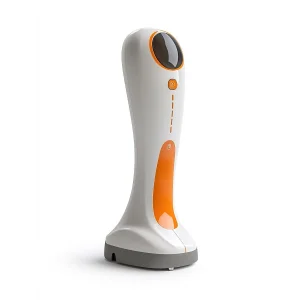
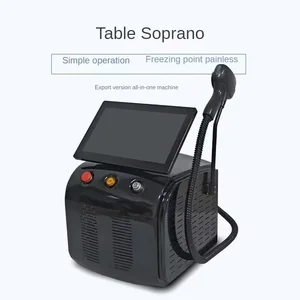
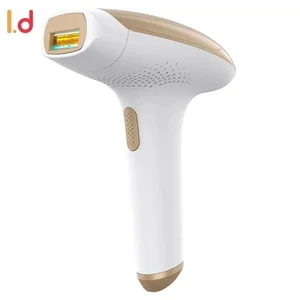
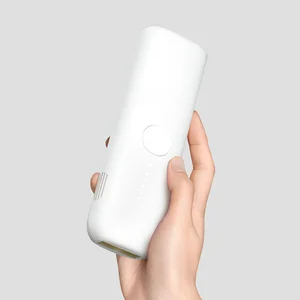
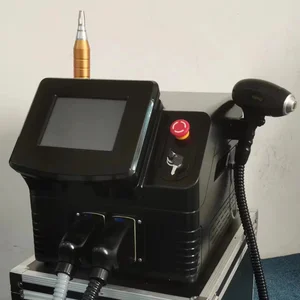
Our product portfolio ranges from high-capacity 1600W triple-wavelength diode laser platforms for specialized dermatology clinics, to 2-in-1 laser and tattoo removal machines, down to smart consumer-facing IPL devices integrated with advanced sapphire cooling contact tips. Each system undergoes structural durability checks, continuous output monitoring, and strict FDA-grade laser calibration before leaving our floor.
Analyzing Hangzhou Vutii Beauty's raw material sourcing, automated quality controls, and custom design pipelines.
In the highly competitive medical aesthetics manufacturing market, maintaining long-term supply chain reliability is key. Hangzhou Vutii Beauty leverages China's industrial ecosystem, integrating optical component sourcing, electronic motherboard design, thermal unit production, and software development under one structural standard. This centralized ecosystem ensures rapid transition from R&D prototypes to market-ready, certified machinery.
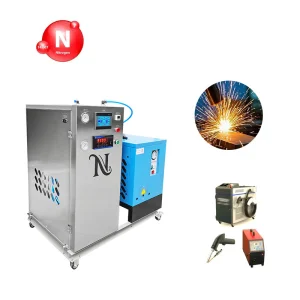
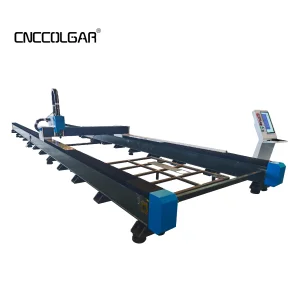
We combine advanced machinery manufacturing—ranging from industrial fiber laser welding machines and high-purity PSA nitrogen generation systems utilized in material processing—with precision assembly protocols. Our manufacturing pipeline integrates vertical supply-chain elements, allowing us to maintain competitive lead times for high-volume orders without compromising on component certifications (ISO 13485, CE, RoHS).

How B2B aesthetic distributors and multi-site clinic operators optimize their technology portfolio across different regulatory markets.
B2B procurement requirements for optical aesthetic equipment vary significantly by geographic region. When medical directors, clinical purchasing agents, and salon franchise owners source from China, they look for specific indicators of stability, electrical safety, and clinical efficacy:
Vutii Beauty addresses these needs by offering modular customization. We tailor water-pump capacities, heat-exchanger surface areas, laser bar specifications, and user interfaces to match localized clinical workflows and local regulatory standards.
Technical and commercial answers concerning next-generation laser hair removal manufacturing and OEM/ODM services.
Traditional systems typically utilize a single wavelength, such as 808nm, which is effective but cannot adapt to all skin and hair types. Triple-wavelength technology combines three distinct wavelengths (755nm + 808nm + 1064nm) within one diode stack:
Firing these three wavelengths simultaneously ensures comprehensive coverage, faster treatment sessions, and improved patient comfort across all Fitzpatrick skin classifications.
Sapphire contact cooling relies on synthetic sapphire crystals directly touching the skin surface during light emission. Sapphire features high thermal conductivity, allowing it to quickly absorb heat from the epidermis. Combined with TEC (Thermoelectric Cooling) units, it keeps the skin surface at a stable temperature of 0°C to -4°C.
This localized cooling prevents epidermal thermal damage and minimizes pain, allowing clinicians to use higher fluences for better hair removal results. It also prevents back-heating from damaging the laser stack, extending the handpiece's lifespan.
We provide comprehensive OEM/ODM customization services to match your brand and market requirements:
Our quality control system spans the entire manufacturing process. Our 25,000 square meter factory operates under ISO 13485 standards. Key quality checkpoints include:
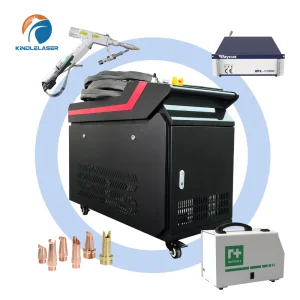
To produce medical-grade aesthetic lasers, we require high-precision processing tools. Devices like KindleLaser industrial fiber lasers and modular PSA nitrogen generators are used inside our advanced sheet-metal cutting and laser-welding pipelines. By developing and manufacturing these industrial support components, we control our machinery assembly lines, reduce dependency on third-party suppliers, and maintain production efficiency.
Additional optical platforms, excimer systems, and manufacturing laser tools for aesthetic practices and manufacturing partners.
 Vutii Beauty