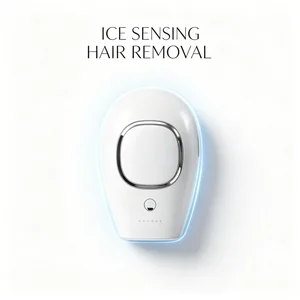
High-performance configurations manufactured to certified medical and commercial standards. Quick delivery and complete compliance control.
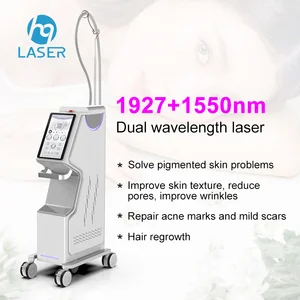
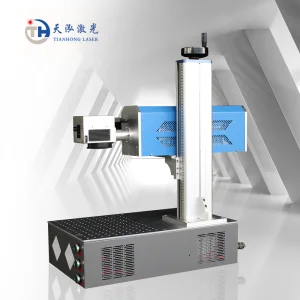
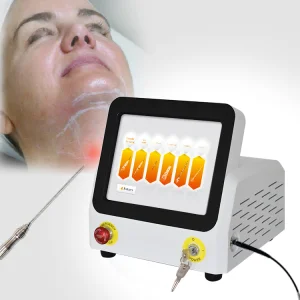
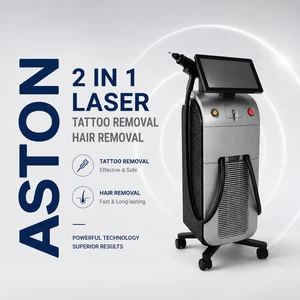
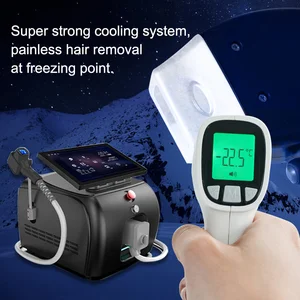
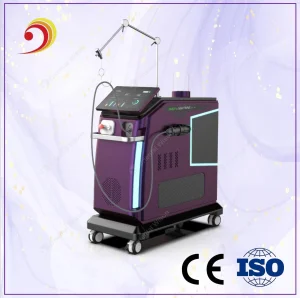
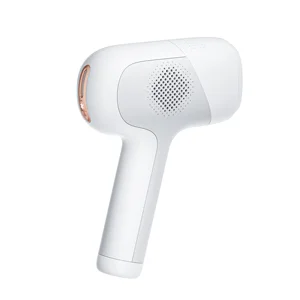
A deep technical assessment of electromagnetic emission, efficiency metrics, and hardware longevity across legacy and modern platforms.
Legacy systems relied heavily on xenon lamp emission profiles with wide-band filters. Modern platforms use targeted semiconductor arrays (808nm, 755nm, 1064nm, 940nm) to concentrate energy on targeted chromophores, reducing off-target thermal damage and operating cost.
Modern diode architectures incorporate advanced thermoelectric cooling (TEC) and micro-channel copper heatsinks. This keeps the semiconductor junction at stable operating temperatures, preventing thermal runaway and extending diode lifetimes past 50 million pulses.
By moving from gas-filled tube architectures (CO2) to monolithic solid-state fiber structures and micro-diode lasers, maintenance downtime is reduced by up to 80%, providing clinical partners with a lower total cost of ownership (TCO).
| Parameter | Traditional Laser / IPL Systems | Modern Diode & Fiber Systems | Technical Advantage (Information Gain) |
|---|---|---|---|
| Emission Coherence | Polychromatic, divergent, high scattering loss | Monochromatic, highly collimated, precise beam delivery | Targets specific depths (epidermal vs deep dermal layers) without wasting energy. |
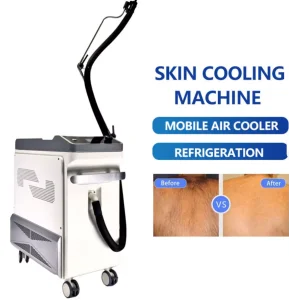
| Cooling Design | Basic water circulation, sapphire tips, inconsistent temperature | Continuous Active TEC cooling, smart sensors, sub-zero protection | Maintains skin surface at a safe temperature (4°C to -10°C) during continuous high-frequency pulses. |
| Operational Lifespan | 100,000 to 1,000,000 flashes (Flashlamp replacement required) | 30,000,000 to 100,000,000 pulses (Semiconductor bar array) | Reduces consumable overheads, offering stable power output for high-volume operations. |
| Wavelength Versatility | Fixed single wavelengths or filters (mostly 560nm-1200nm) | Multi-wavelength integration (755nm + 808nm + 940nm + 1064nm) | Simultaneously targets different hair follicle depths and pigments for comprehensive results. |
| Energy Profiles | Decaying pulse waves, high peak risks, higher burn risk | Flat-top square waves, ultra-short pulses, uniform delivery | Eliminates energy spikes, improving comfort and reducing the risk of post-inflammatory hyperpigmentation. |
Hangzhou Vutii Beauty Co., Ltd. is a professional Laser Hair Removal Manufacturer specializing in medical-grade aesthetic laser systems and advanced IPL & diode laser technology solutions for global beauty clinics, distributors, and OEM/ODM partners. With a strong focus on innovation, safety, and performance, the company is committed to delivering effective and reliable hair removal and skin care equipment for the global aesthetic industry.
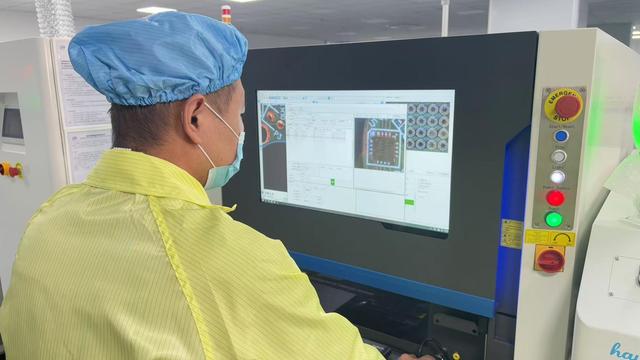
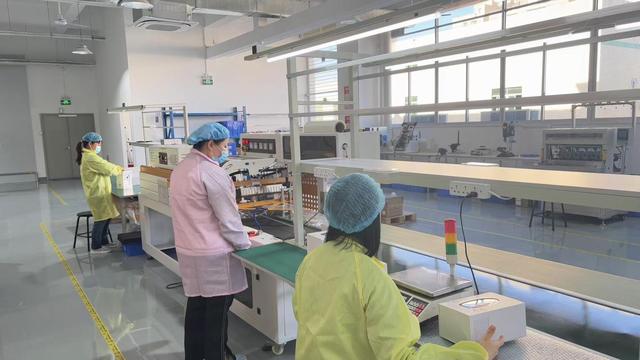
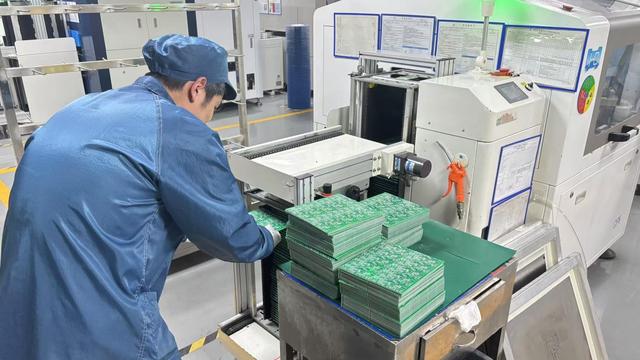
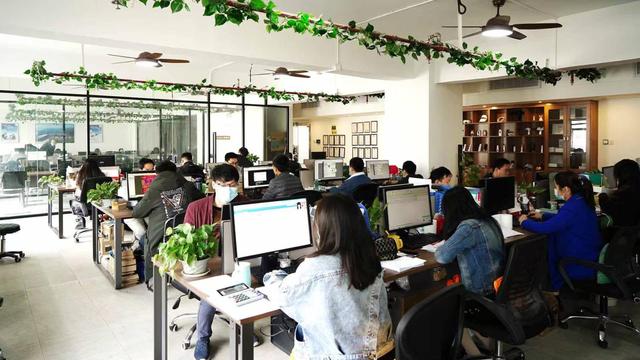
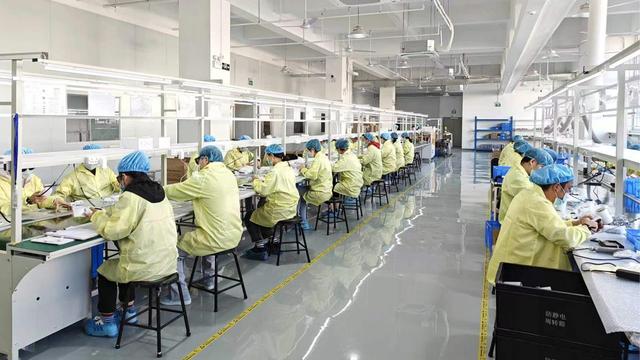
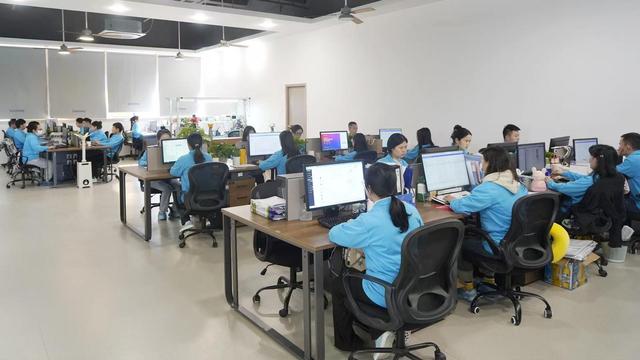
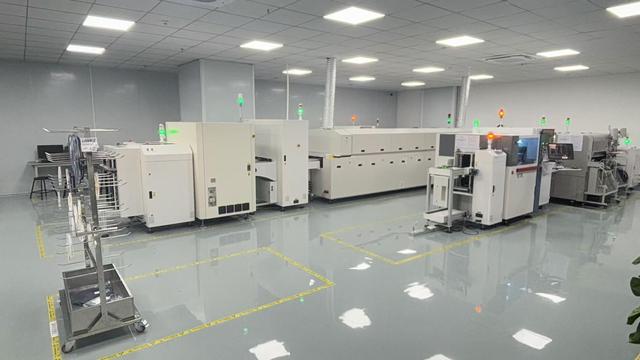
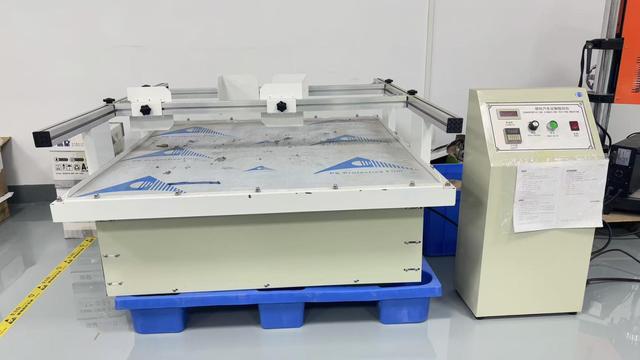
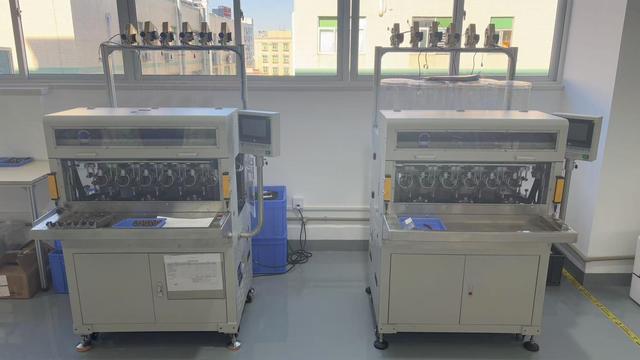
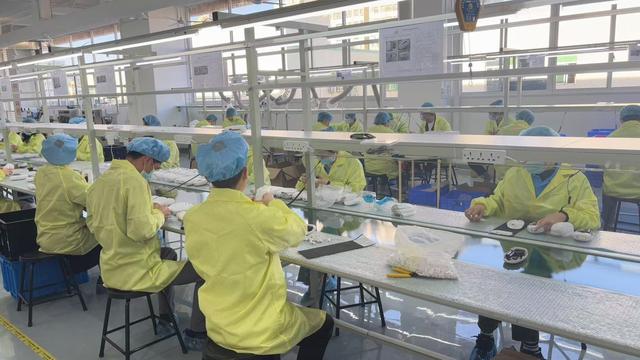
Established with modern manufacturing standards, Vutii Beauty operates a production facility of approximately 25,000 square meters, equipped with precision assembly lines, laser calibration laboratories, and strict quality inspection systems. The company employs around 220 staff members, including 15+ optical engineers and medical aesthetics R&&D specialists, ensuring continuous product innovation and technological advancement.
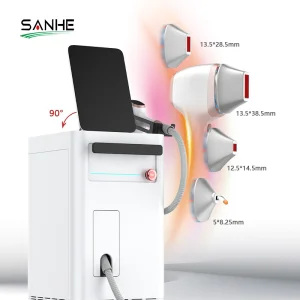
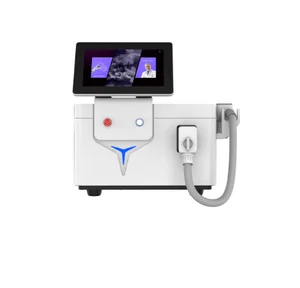
The product portfolio includes diode laser hair removal systems, IPL aesthetic platforms, multi-wavelength laser machines, portable aesthetic devices, and professional-grade salon equipment. All systems are designed to provide efficient hair reduction, improved skin compatibility, and enhanced user safety with advanced cooling and energy control technologies.
As an experienced OEM/ODM supplier, Hangzhou Vutii Beauty Co., Ltd. offers full customization services, including hardware design, software interface development, branding, private label packaging, and clinical parameter optimization. The company follows strict international quality standards and continuously upgrades its production process to meet global medical aesthetic requirements.
How our customized laser designs integrate with medical and industrial frameworks globally.
We work with international aesthetic distributors, clinic chains, and commercial partners in Europe, North America, the Middle East, and Southeast Asia. We address regulatory challenges, input voltages, GUI localizations, and provide door-to-door delivery with customs cleared (DDP).
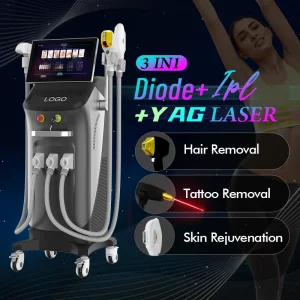
High-throughput diode solutions with cloud-based patient profiles, treatment tracking, and multi-wavelength handpieces to treat diverse skin phototypes safely.
Complete custom design options, from mold design and customized 3D internal chassis structures to localized clinical firmware interfaces.
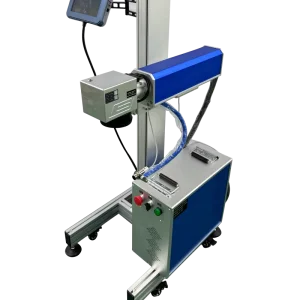
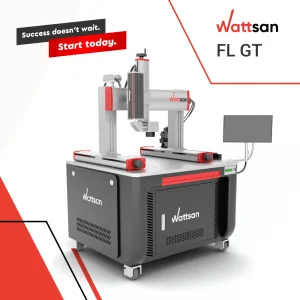
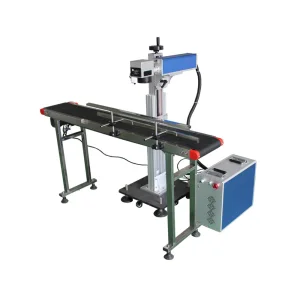
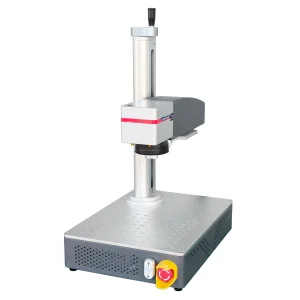
High-precision fiber and CO2 marking systems that integrate with automated assembly lines, supporting multiple software vectors and formats.
Detailed technical insights for laser engineers, medical directors, and purchasing officers.
From fiber-based component marking systems to multiple wavelength clinic systems.
A look inside our 25,000 square meter plant, featuring advanced optical calibration and testing laboratories.
 Vutii Beauty