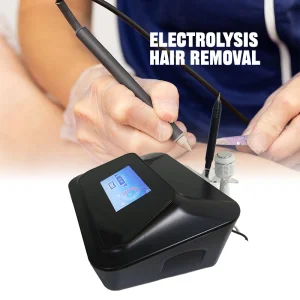
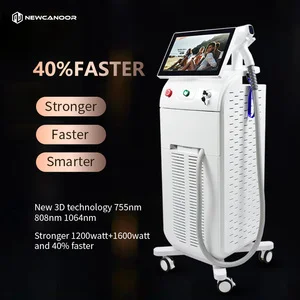
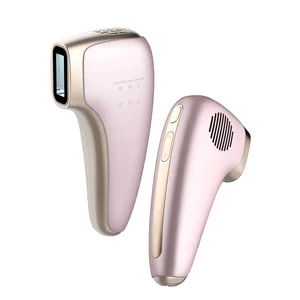
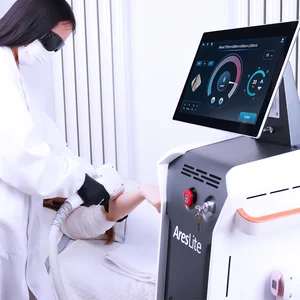
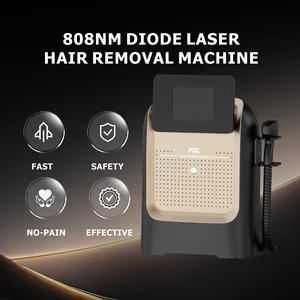
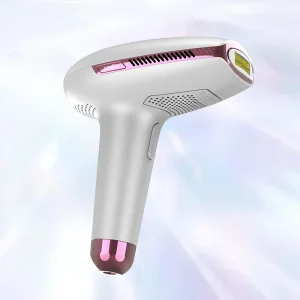
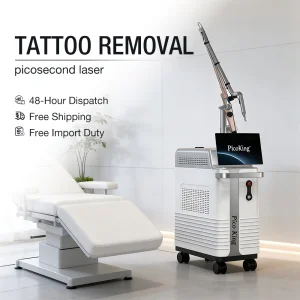
Explore our premium range of CE certified lasers engineered for performance, safety, and optical precision.
Hangzhou Vutii Beauty Co., Ltd. is a distinguished global pioneer and professional manufacturer of medical-grade aesthetic laser systems, specialized diode laser technologies, and advanced intense pulsed light (IPL) devices. We are dedicated to providing cutting-edge solutions for global beauty clinics, dermatological centers, wholesale distributors, and custom OEM/ODM partners.
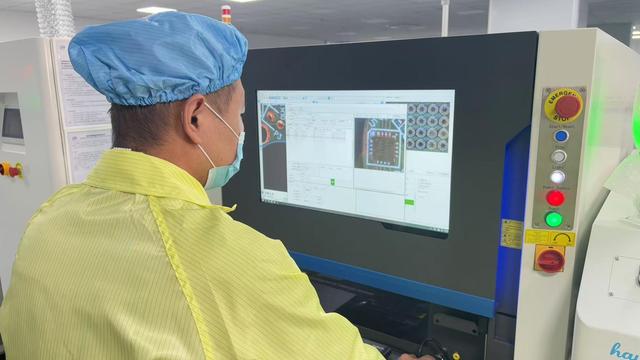
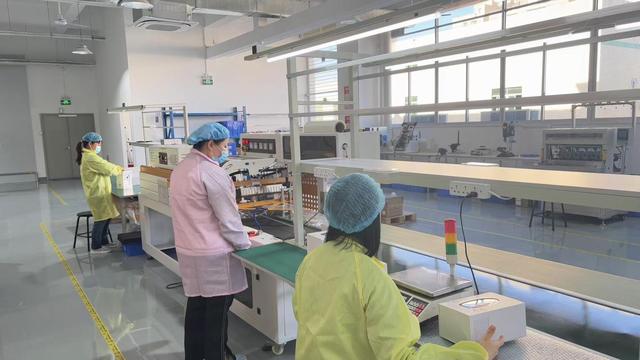
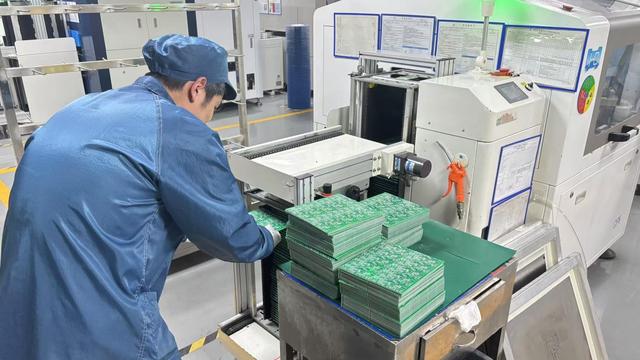
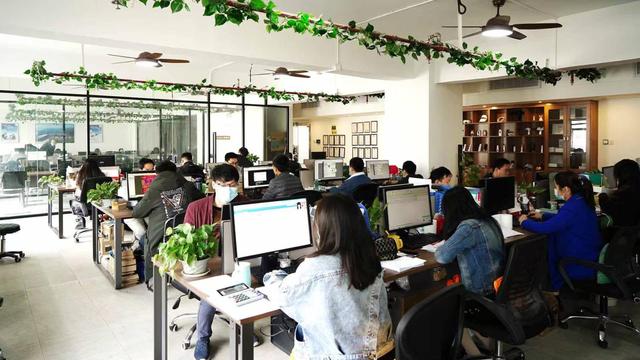
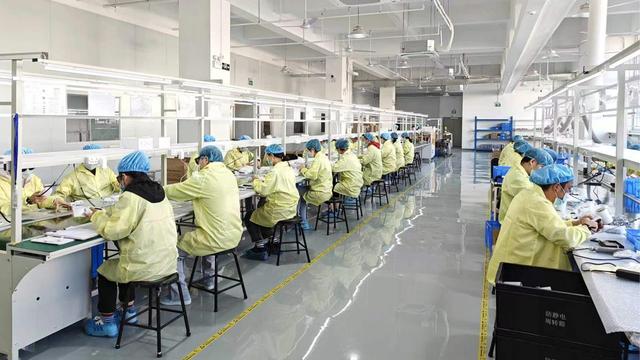
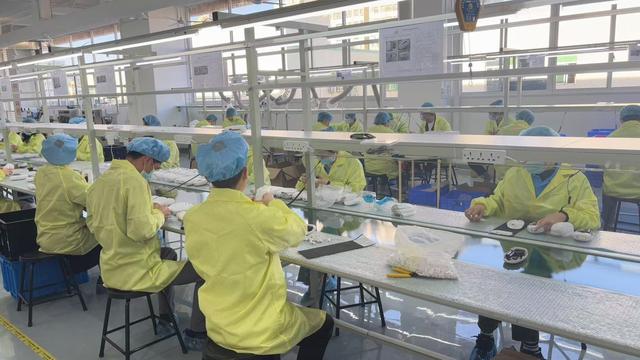
Operated under strict modern quality controls and scientific standards, our production facility spans approximately 25,000 square meters. The facility is equipped with automated optical calibration lines, ISO-certified cleanrooms, and stringent product-lifetime testing booths. Supported by a committed workforce of over 220 skilled personnel—including a core research team of 15+ optical engineers and medical aesthetic R&D specialists—Vutii Beauty bridges the gap between optical engineering and clinical applications.
Our collaborative customization services encompass complete custom industrial design, structural mechanics, custom GUI/software programming, bespoke branding, tailored private label packaging, and clinical parameter optimizations. Through rigorous engineering, all Vutii systems deliver exceptional energy consistency, high pulse rates, and advanced skin-protective cooling mechanisms.
Sqm Factory Area
Professional Staff
Optical R&D Engineers
Exporting Countries
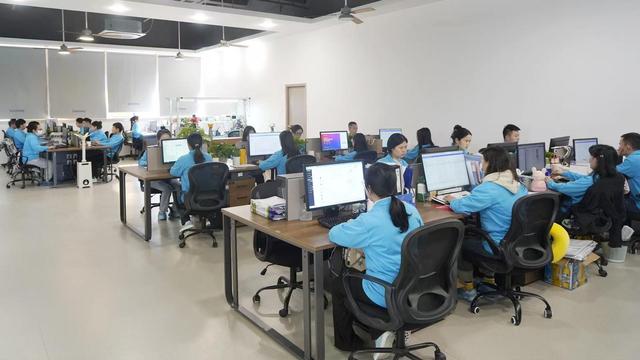
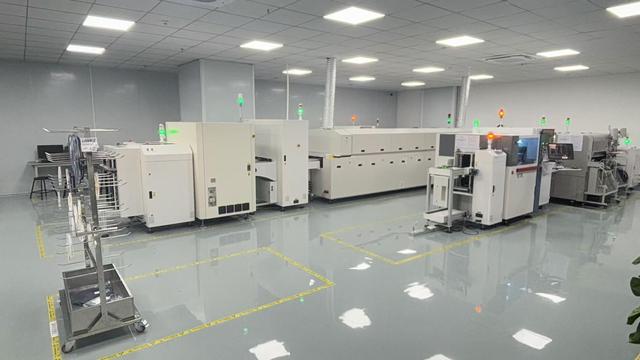
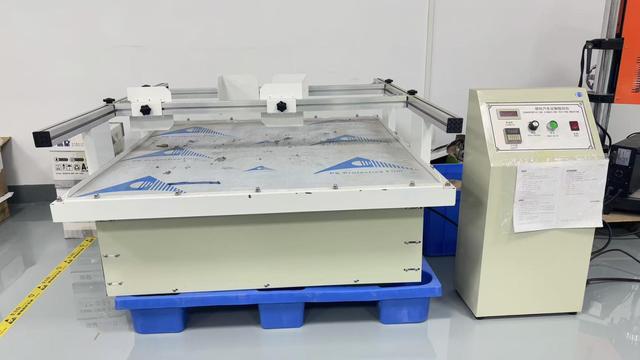
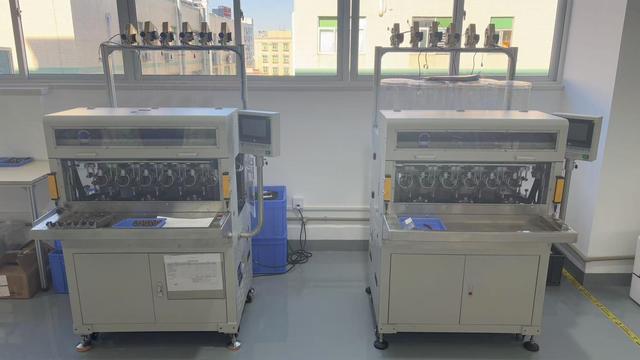
An in-depth perspective on market dynamics, technological innovations, and international safety compliance.
In modern industrial and aesthetic sectors, custom laser systems have progressed from highly specialized options to essential operational technologies. Globally, clinics, dermatological offices, and manufacturing units rely on laser devices optimized for specific treatment profiles and materials. Today, global suppliers must deliver versatile platforms capable of precise energy output, customized wavelengths, and real-time diagnostic reporting.
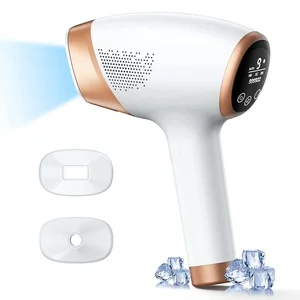
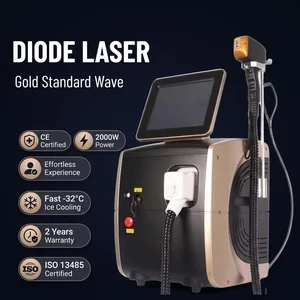
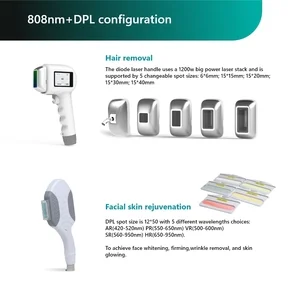
In the aesthetic sector, the demand for custom lasers is driven by the global need for personalized dermatological treatments. Clinicians require systems designed to treat diverse Fitzpatrick skin types and different hair textures. Consequently, single-wavelength devices are being replaced by multi-wavelength laser systems. Manufacturers who can supply custom configurations—such as integrating 755nm, 808nm, 940nm, and 1064nm wavelengths into a single handpiece—help clinics expand their service offerings and improve treatment outcomes.
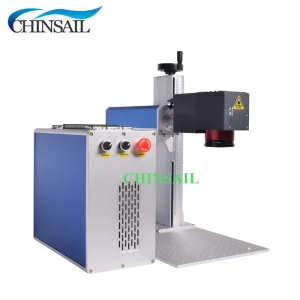
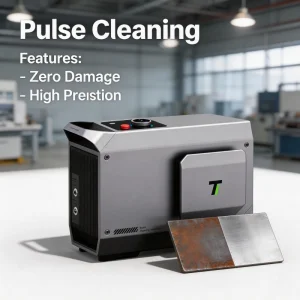
From an industrial perspective, precision laser markers and mobile cleaning systems are transforming production facilities. These systems are used for marking trace numbers, engraving components, and carrying out non-destructive surface preparation. Customization in these areas focuses on portable designs, integrated smart application controls, and air-cooled resonators. These features enable flexible deployment across diverse automotive, aerospace, and electronics manufacturing environments.
Combining 755nm, 808nm, 940nm, and 1064nm wavelengths in a single application to target different melanin depths and vascular structures.
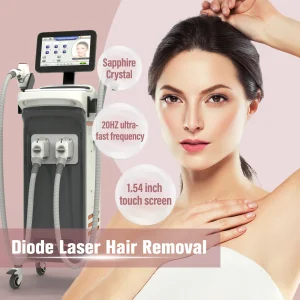
Dual-channel refrigeration systems that actively cool the treatment windows, maintaining safe epidermal temperatures under continuous pulse sequences.
Compliance with rigorous European Medical Device Regulations, confirming electrical safety, electromagnetic compatibility, and clinical validation.
The global laser market is moving toward smart, modular, and green designs. We are tracking three major trends that are reshaping how aesthetic and industrial lasers are built and configured:
Historically, aesthetic devices targeted hair follicles using a single wavelength, like 808nm. Modern dermatological clinics prefer multi-wavelength systems because they target different depths simultaneously. The 755nm wavelength features high absorption in melanin, making it ideal for lighter hair types. The 808nm wavelength offers deep follicle penetration and moderate absorption. The 940nm wavelength targets oxyhemoglobin to disrupt the follicle's nutrient supply, and the 1064nm wavelength is highly suited for darker skin tones because of its lower absorption in epidermal melanin.
Understanding regional demands is essential for matching users with the right laser technology. The following scenarios demonstrate how custom laser setups address specific localized and operational requirements:
Looking ahead toward 2030, laser systems are incorporating artificial intelligence and smart diagnostic tools to improve safety and ease of use. Future developments are focused on three main engineering areas:
AI-Assisted Energy Optimization: Upcoming laser control panels will feature integrated digital cameras and skin analyzers. The system can assess local skin parameters and automatically recommend optimal pulse duration and fluence settings, reducing the risk of operator error.
Fiber-Delivered Diode Lasers: By shifting the diode generator from the handpiece to the main chassis and delivering the beam through a fiber optic bundle, future systems will make handpieces significantly lighter. This change reduces operator fatigue during long treatment schedules while protecting the diode modules from physical impacts.
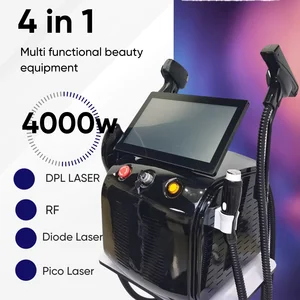
Hybrid Laser Platforms: We anticipate a rise in combined platforms that combine hair reduction, tattoo removal, and skin rejuvenation into a single console. Modular connections will let clinics add Nd:YAG, Picosecond, and Diode laser handpieces to a single chassis as their service offerings grow.
Detailed answers to key questions about CE certification, optical configurations, and OEM customization.
Select from our medical-grade hair removal, skin rejuvenation, and industrial cleaning systems.
 Vutii Beauty